
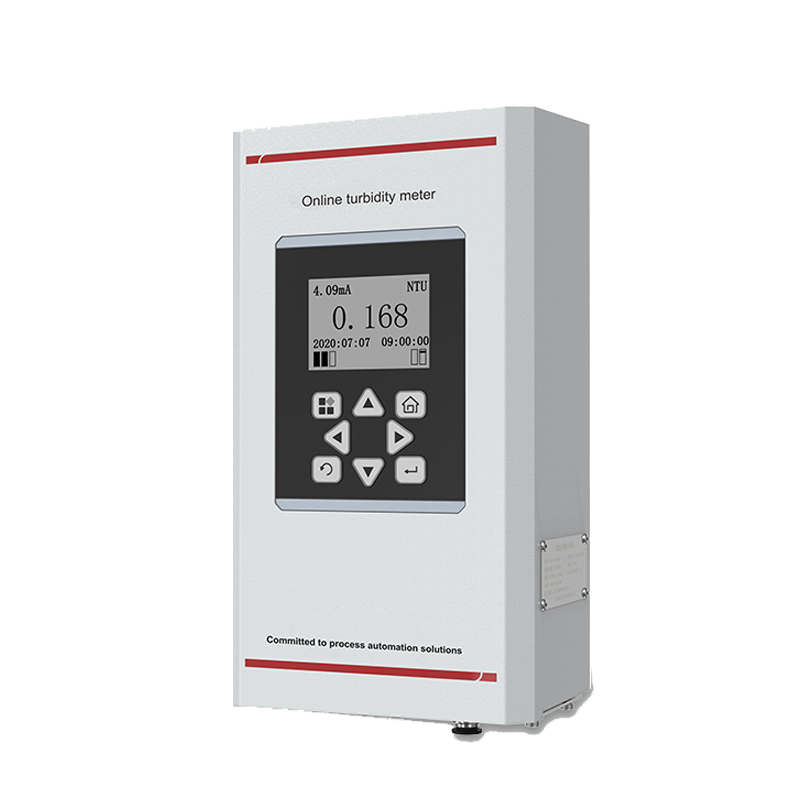
PTU300 Turbidity Meter for Water/Wastewater Turbidity Measure in Industrial/Municipal Water Treatment
Introduction
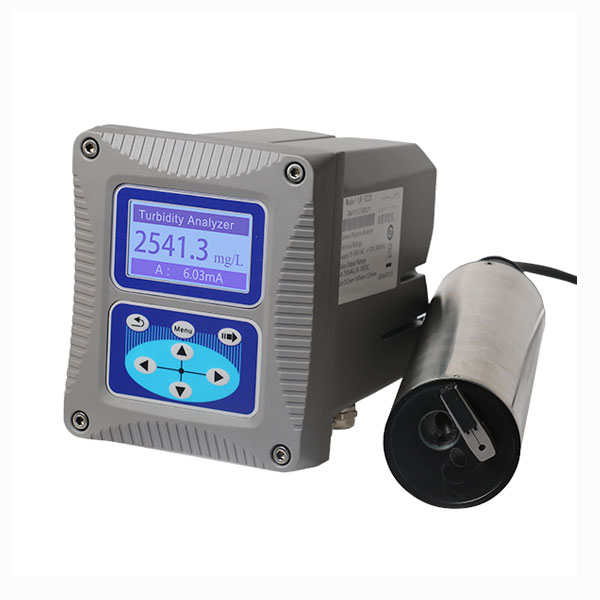
Online turbidity measurement provides essential insight into water clarity by quantifying the scattering of light caused by suspended particles. The PTU300 turbidity measurement uses a laser light source and a 90° light-scattering detection principle, delivering high measurement accuracy and low noise interference. Its compact design and robust performance make it suitable for continuous use with minimal water consumption, reducing daily operating and maintenance costs.
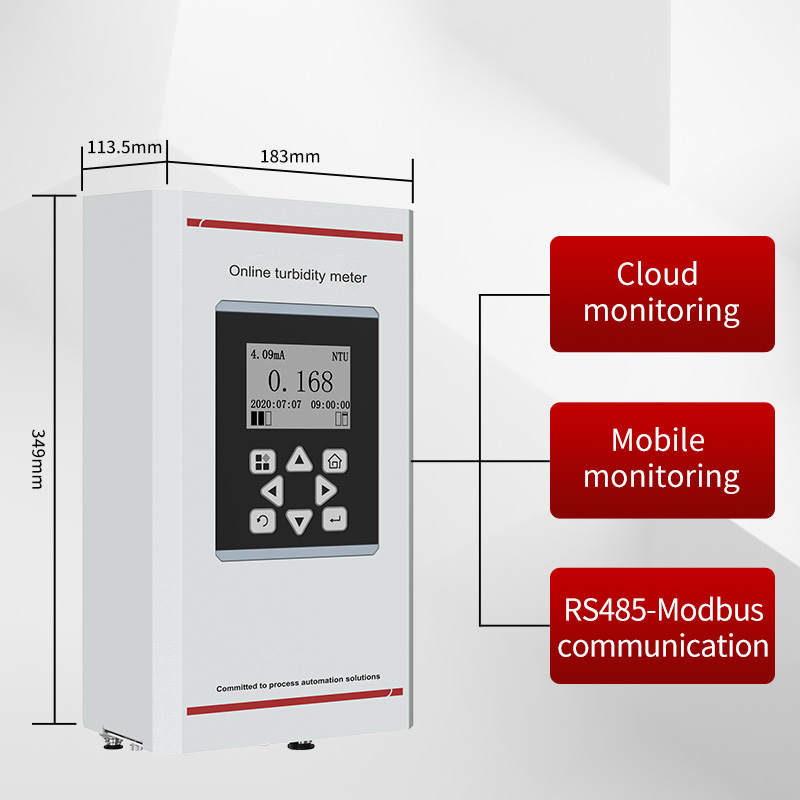
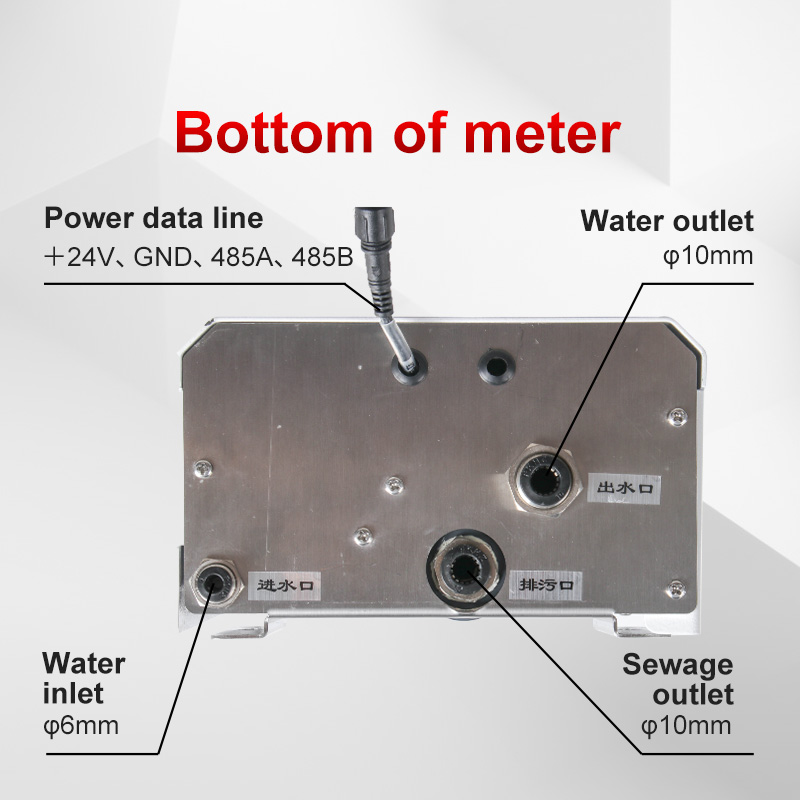
With configurable output options, including 4–20 mA analog and RS-485 digital communication, the PTU300 turbidity monitoring device can integrate seamlessly into existing control systems, such as PLCs, SCADA, and cloud-based monitoring platforms. Its automatic discharge function and long maintenance intervals further enhance operational efficiency.
Working principle
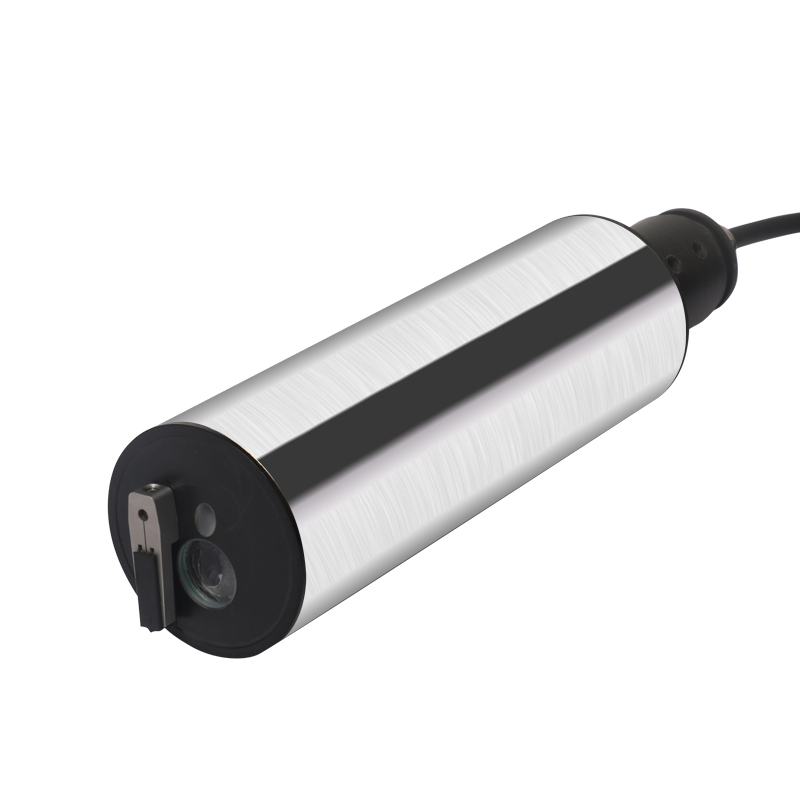
The PTU300 turbidity meter operates based on the 90° scattering detection principle, a widely accepted optical method for assessing turbidity. In this approach, a stable light source projects a beam through the water sample.
Then, suspended particles scatter the light in different directions, and a photodetector placed at a right angle (90°) to the source measures the amount of scattered light. The intensity of this scattered light correlates with the concentration of particles in the liquid.
This method offers reliable sensitivity across a wide turbidity range and minimizes interference from ambient light or color variations in the water. The integrated ARM7 data processor and digital filtering algorithms further improve measurement accuracy by reducing noise and compensating for temperature and ambient light changes.
Key features
The PTU300 Turbidity Meter is engineered with features that support stable, long-term online monitoring:
-
Laser-based Light Source: Ultra-high noise ratio and high measurement precision improve sensitivity and accuracy.
-
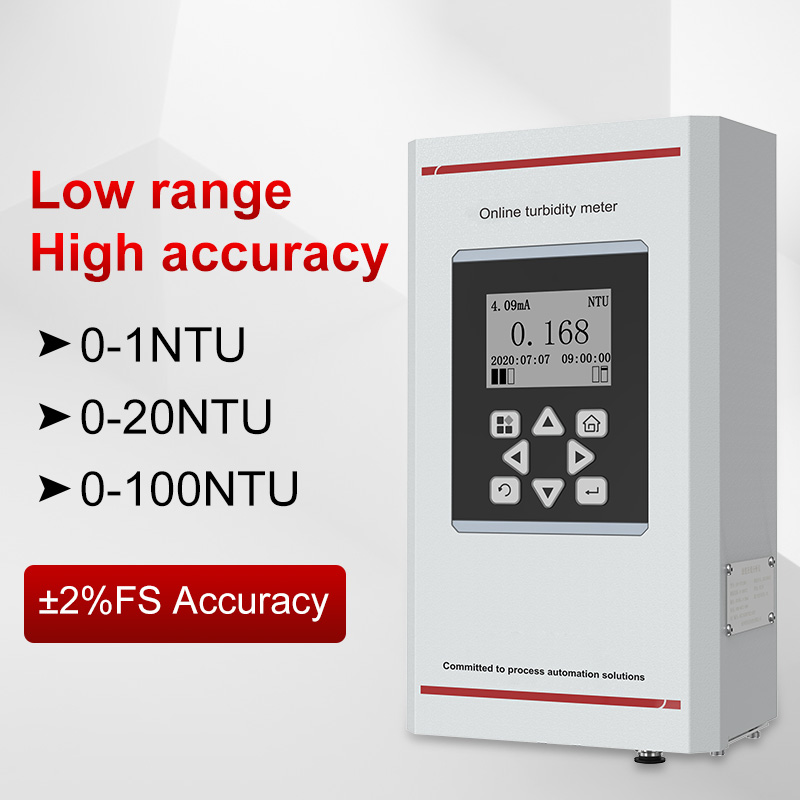
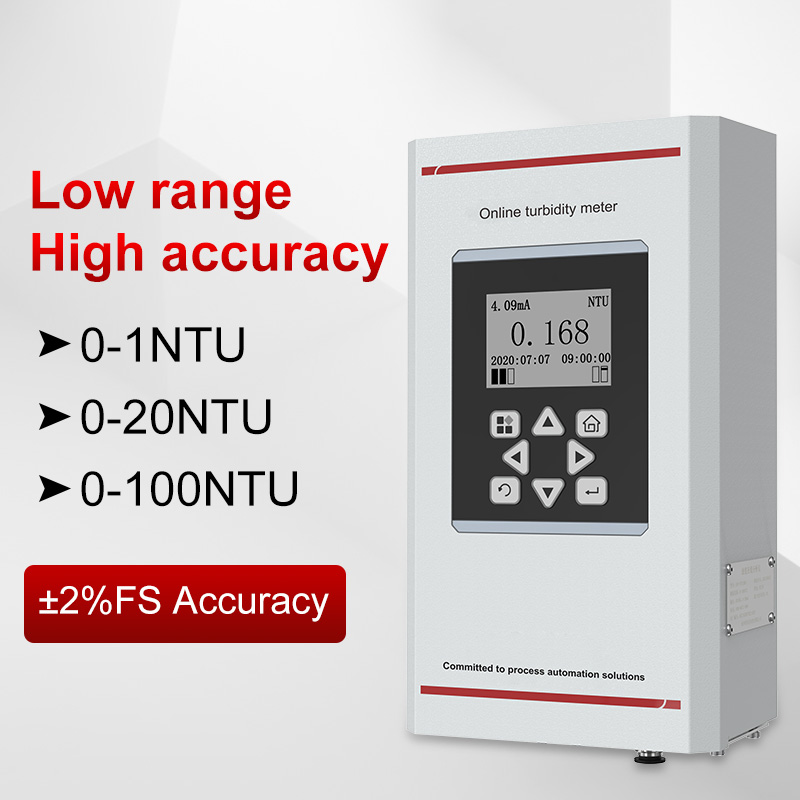
90° Scattering Detection: Standard optical principle for consistent turbidity measurement across multiple ranges (0–1 NTU, 0–20 NTU, 0–100 NTU).
-
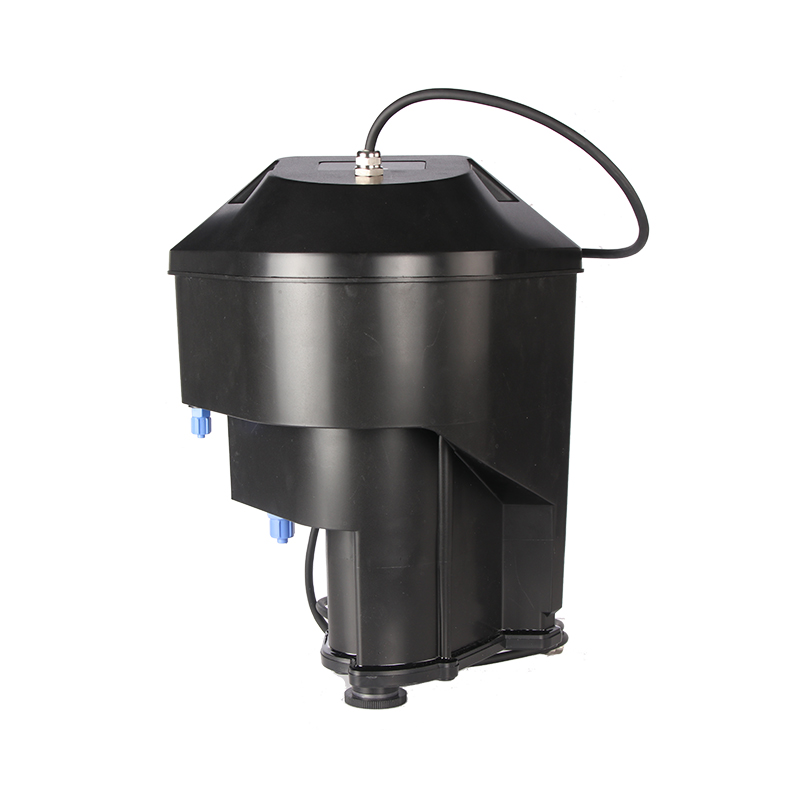
Automatic Discharge: Enables scheduled or intermittent flushing to reduce buildup and maintain measurement stability.
-
Dual Output Options: Provides 4–20 mA and RS485 (Modbus) outputs for integration with controllers and digital systems.
-
Robust Construction: Designed for broad environmental conditions with IP54 protection and a recommended maintenance cycle of 6–12 months.
-
Low Operating Cost: Small water consumption and long maintenance intervals reduce lifetime operational expenses.
-
Remote Monitoring Support: Optional IoT module enables cloud connectivity and mobile data access for smart monitoring.
Specification
| Range | 0-20 NTU (31),0-1 NTU (30) |
| Operating voltage | DC 24V |
| Measurement | 90° scattering |
| Working mode | Continuous monitoring of drainage, intermittent automatic discharge |
| Zero drift | ≤±0.015 NTU |
| Value error | ≤±2% or ±0.015 NTU larger |
| Discharge mode | Automatic discharge |
| Calibration | Formaldehyde standard liquid calibration (factory calibrated) |
| Water pressure | 0.1 Kg/cm3-8Kg/cm3, flow not exceeding 300 mL /min |
| Digital output | RS485Modbus protocol (baud rate 9600,8, N 、1) |
| Analog output | 4-20 mA |
| Storage temperature | -20℃-60℃ |
| Working temperature | 0-50℃ |
| Sensor material | Composite |
| Maintenance cycle | 6-12 months recommended (depending on site water quality and environment) |
Applications
With its high reliability and integration flexibility, the PTU300 turbidity measuring device supports a variety of industrial and water quality monitoring scenarios:
-
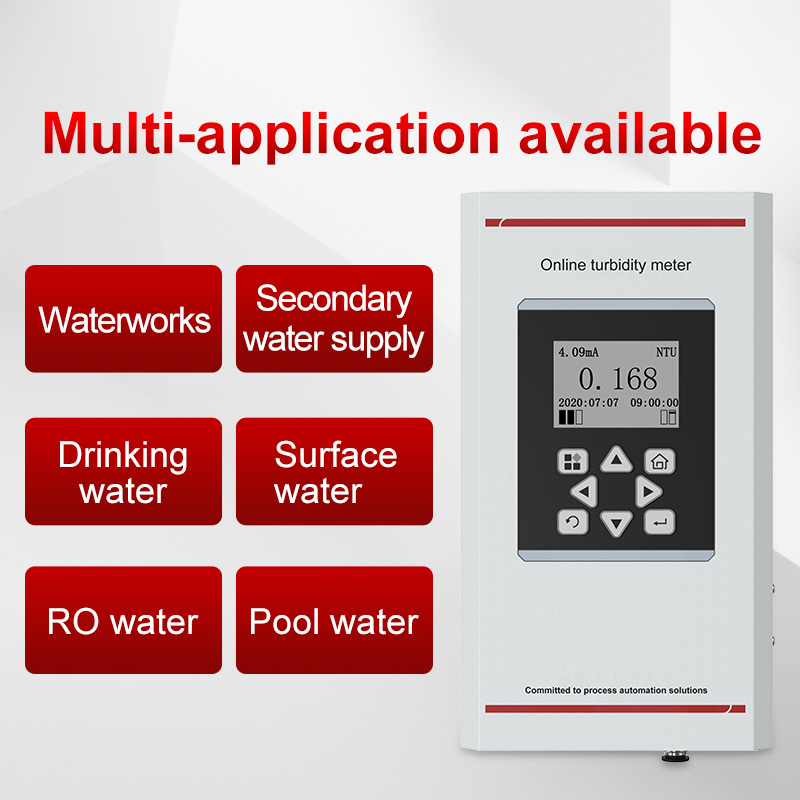
Drinking Water Treatment: Continuous turbidity tracking after membrane filtration ensures safe and compliant potable water.
-
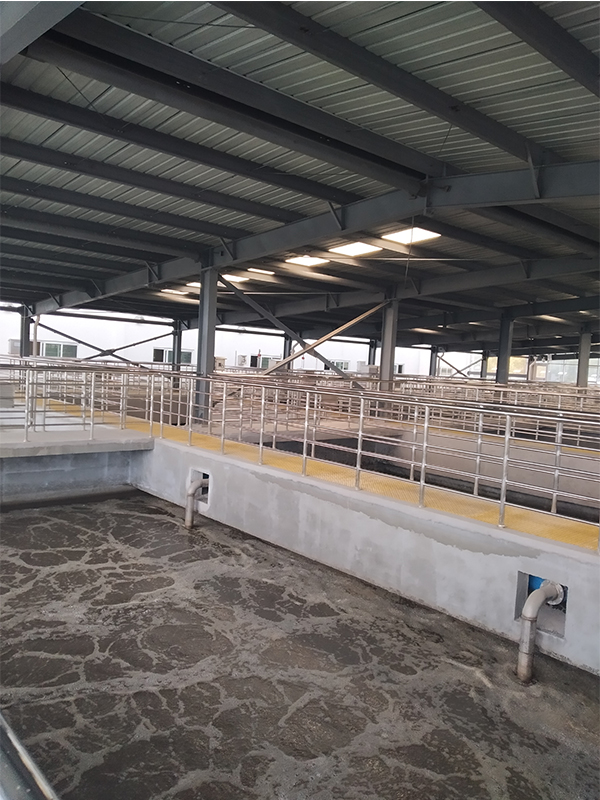
Wastewater Treatment: Real-time monitoring of sedimentation, clarifiers, and effluent quality supports process control and discharge compliance.
-
Municipal Distribution Systems: Detect water clarity variations within pipe networks to support operational decisions.
-
Industrial Process Water: Monitor cooling water, boiler feedwater, and production effluents for quality assurance and equipment protection.
-
Environmental Water Quality: Turbidity detection in rivers, lakes, and surface water bodies provides insight into ecological conditions.
-
Food & Beverage and Chemical Plants: Ensures consistency in product quality and compliance with hygiene and process standards.