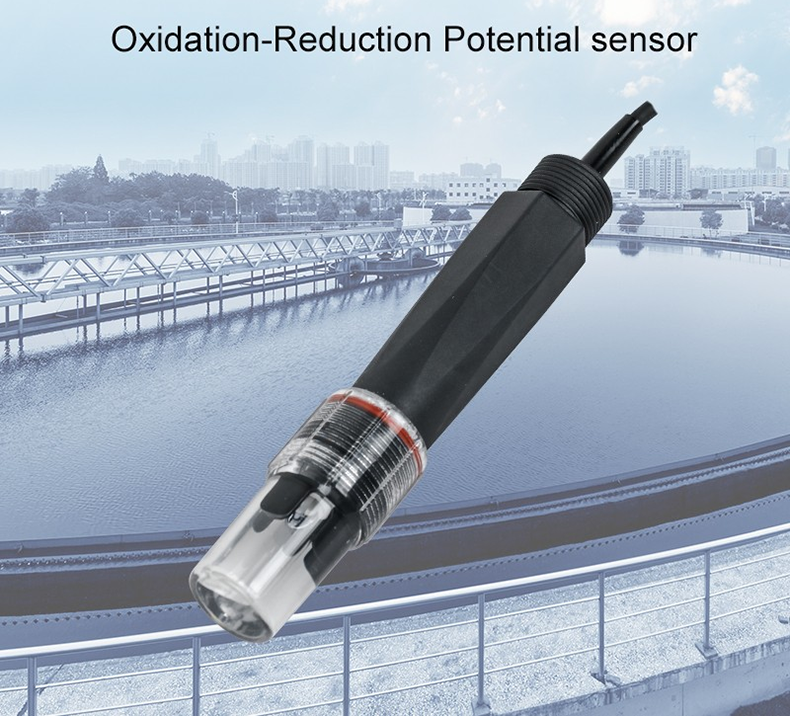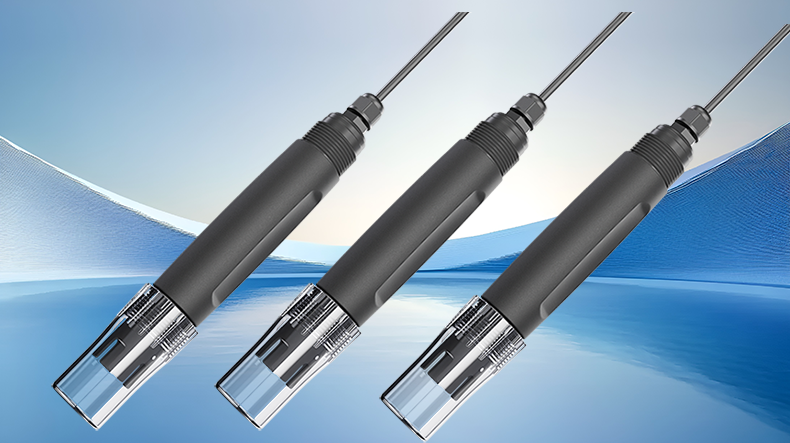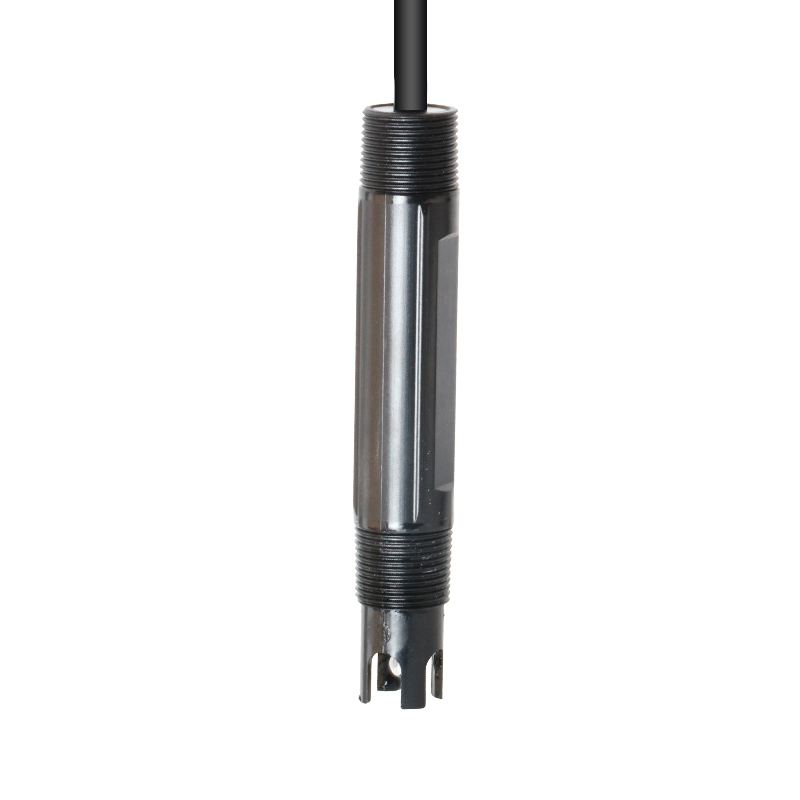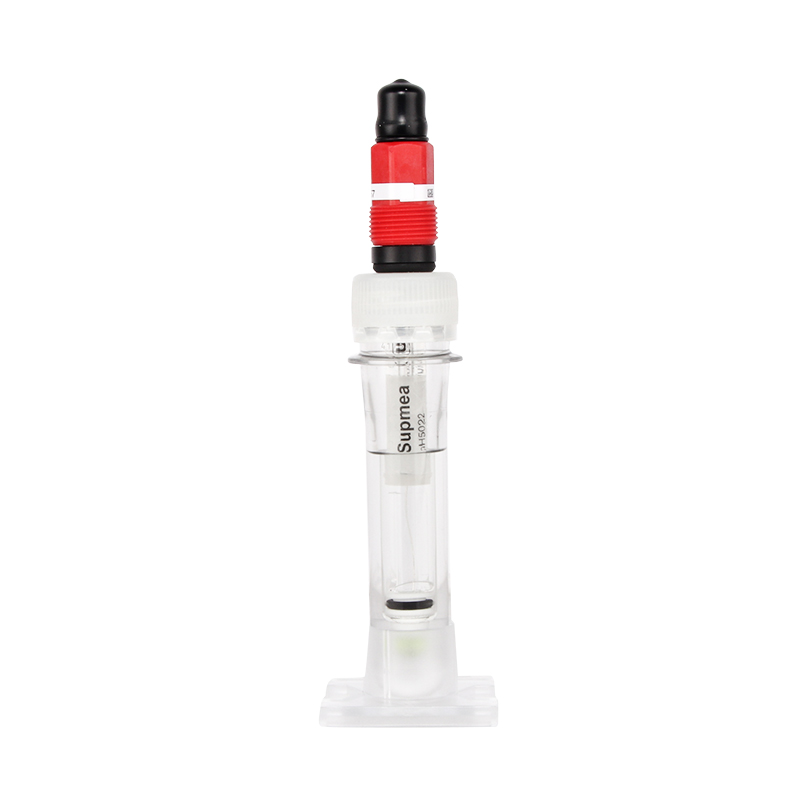

ORP6050 ORP Sensor, ORP Electrode, ORP Probe for Water Testing in Industry/Lab
Introduction
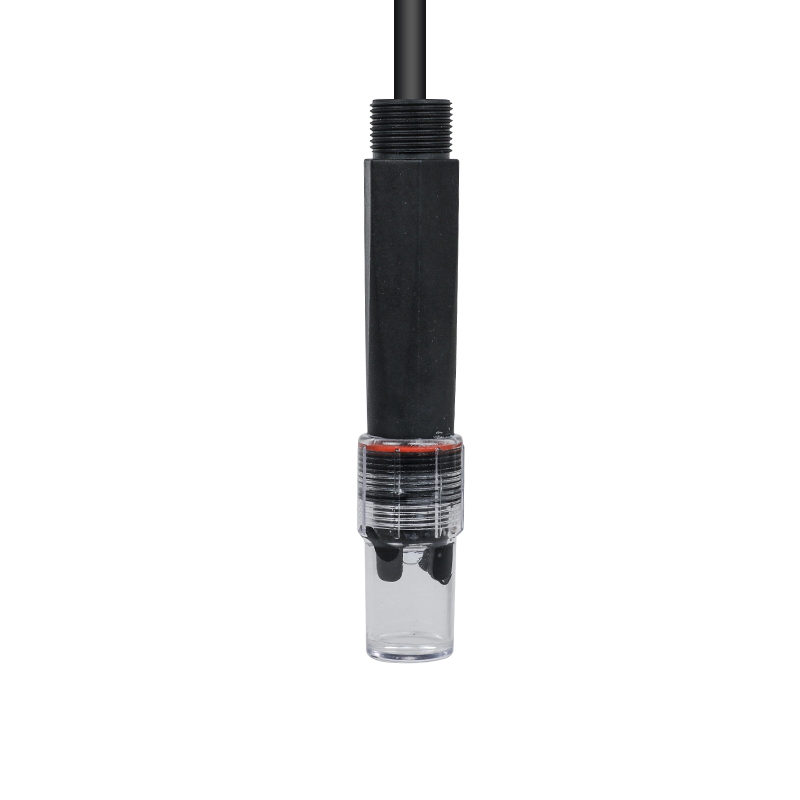
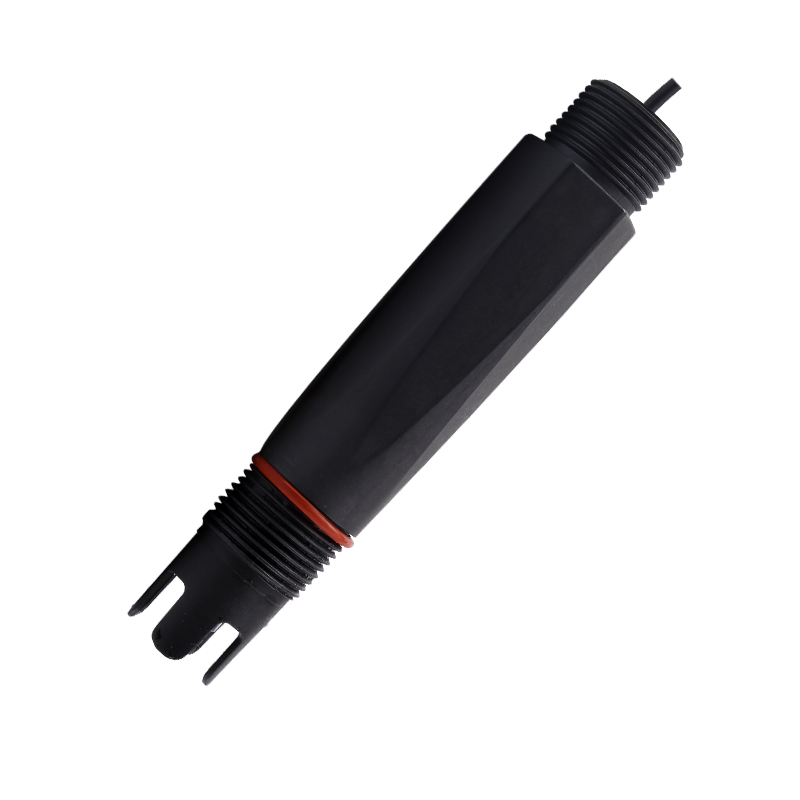
The ORP6050 is a robust ORP sensor designed to measure the oxidation-reduction potential (ORP) of liquids in various industrial and environmental applications. Utilizing a high-quality platinum electrode, this ORP probe delivers highly accurate ORP readings in real-time, helping to maintain process stability and quality control.
The ORP6050 ORP sensors are capable of functioning in challenging environments with high levels of temperature and pressure, making them suitable for diverse industrial settings. The ORP probe is engineered to handle a wide range of applications, from wastewater treatment to chemical manufacturing. Easy to integrate into existing systems, it is compatible with a variety of controllers and analyzers, ensuring flexibility in use.

How does an ORP sensor work?
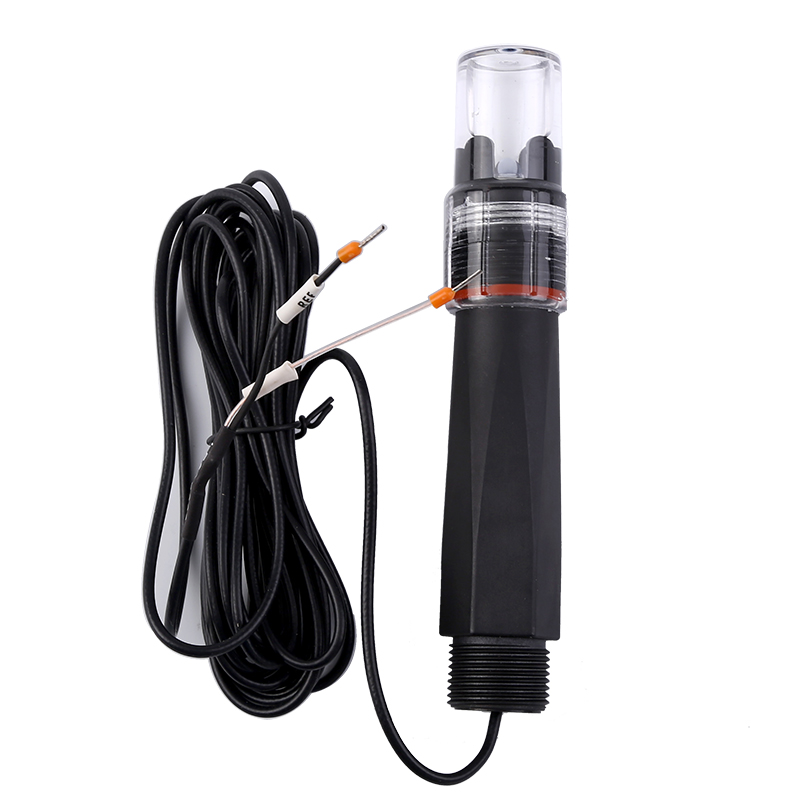
The ORP6050 ORP sensor operates based on the principle of oxidation-reduction potential, a measurement that reflects the ability of a solution to either gain or lose electrons during a chemical reaction. The ORP sensor consists of a platinum electrode and a reference electrode, both of which are immersed in the liquid being tested.
When a voltage is applied to the platinum electrode, it interacts with the ions in the solution. The resulting voltage is compared to the reference electrode’s potential. The difference between these two voltages determines the ORP, providing a quantitative value that indicates the oxidizing or reducing nature of the solution.
This measurement is essential for assessing water quality, controlling chemical reactions, and ensuring the stability of various processes in industries such as water treatment, pharmaceuticals, and food production. The ORP value reflects the overall oxidative or reductive conditions of a solution, enabling better control over chemical processes.
Key features
The ORP6050 ORP Sensor combines advanced technology for precise, reliable ORP measurements across various industrial and environmental applications:
-
High-Precision Measurement: Equipped with a high-quality platinum electrode, this ORP sensor measures the liquid precisely.
-
Wide Temperature Range: The ORP6050 sensor can operate in environments with temperatures ranging from 0°C to 80°C (32°F to 176°F), making it versatile and high-temp resistant.
-
Durable and Long-Lasting: Constructed with durable materials designed to withstand harsh environments and extend the sensor’s lifespan.
-
Fast Response Time: The sensor provides rapid and consistent readings, allowing for real-time monitoring and quick adjustments.
-
Easy to Integrate: Compatible with a wide range of controllers and analyzers, making integration into existing systems seamless.
-
Low Maintenance: Designed to minimize downtime, the ORP6050 sensor is easy to clean and maintain, reducing operational costs.
-
Versatile Applications: Suitable for a wide range of industries, including water treatment, chemical processes, food production, and pharmaceuticals.
Specification
| Product | Plastic ORP sensor |
| Model | SUP-ORP6050 |
| Measurement range | -2000mV ~ 2000mV |
| Membrane resistance | ≤10KΩ |
| Stability | ±4mV/24h |
| Installation size | NPT3/4 |
| Heat resistance | 0 ~ 60℃ |
| Pressure resistance | 0 ~ 6 Bar |
Applications
The ORP6050 ORP sensor is versatile and can be applied in various industries where accurate chemical monitoring is essential, including:
-
Water Treatment: Monitoring and controlling the oxidation-reduction potential in drinking water, wastewater, and effluent systems to ensure water quality and compliance with environmental standards.
-
Chemical Manufacturing: Optimizing chemical reactions in processes such as electroplating, bleaching, and disinfection, where the ORP level is critical for maintaining product quality and process stability.
-
Food and Beverage Industry: Ensuring that the ORP levels in food processing, water purification, and sanitization systems meet regulatory standards for safety and quality.
-
Pharmaceuticals: Controlling chemical reactions during drug manufacturing and ensuring the sterilization processes in water systems are effective.
-
Power Generation: Used in cooling water and steam cycle systems to monitor and maintain appropriate ORP levels, preventing corrosion and maintaining system efficiency.