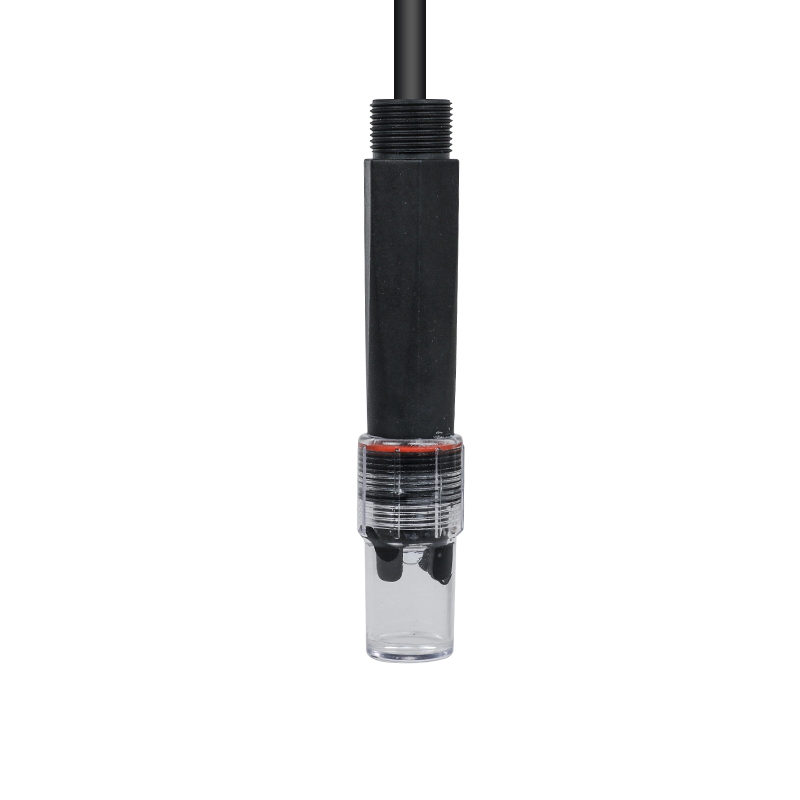

DO7016 Optical Dissolved Oxygen Sensor for Environmental, Industrial, and Aquaculture Water
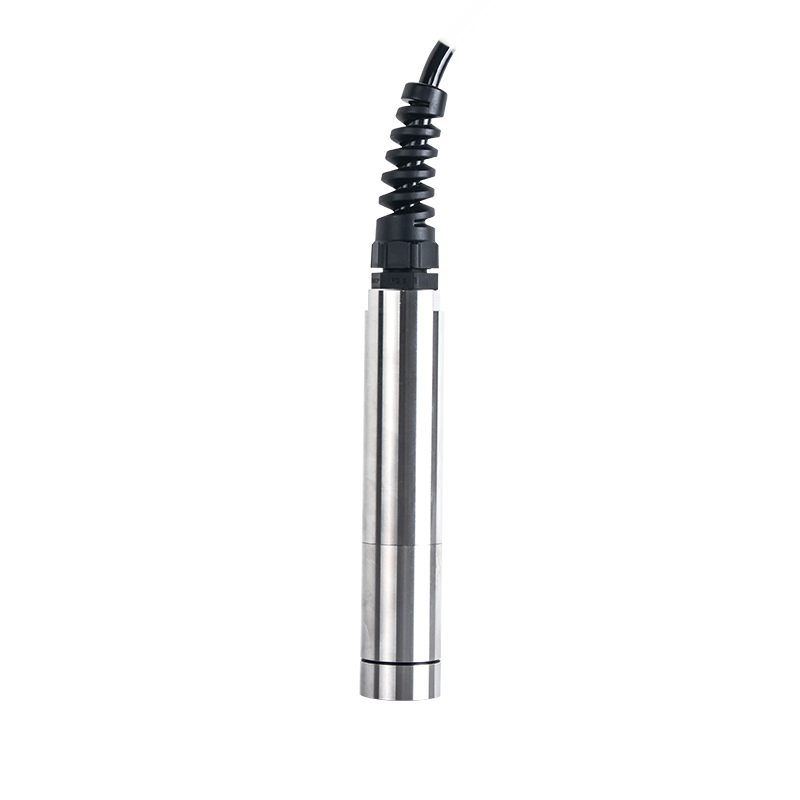


Introduction
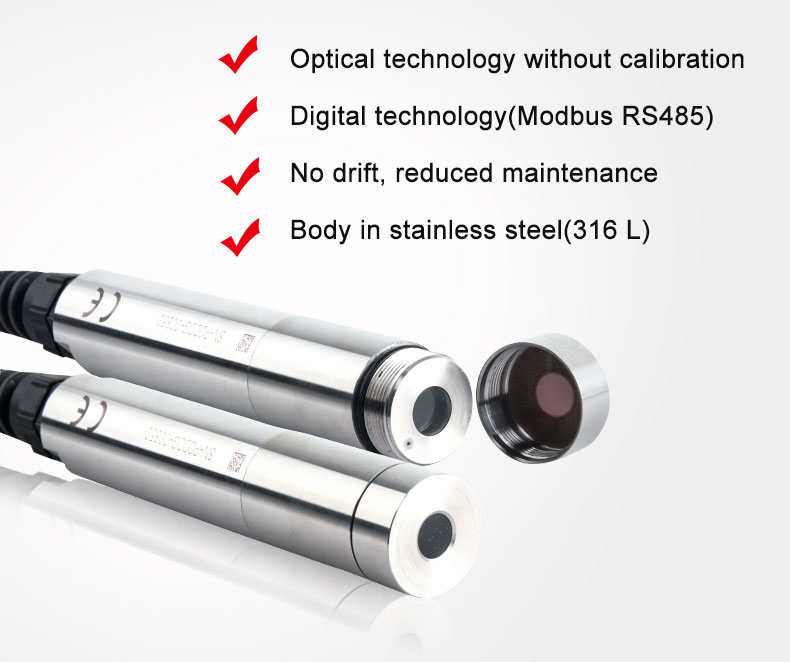
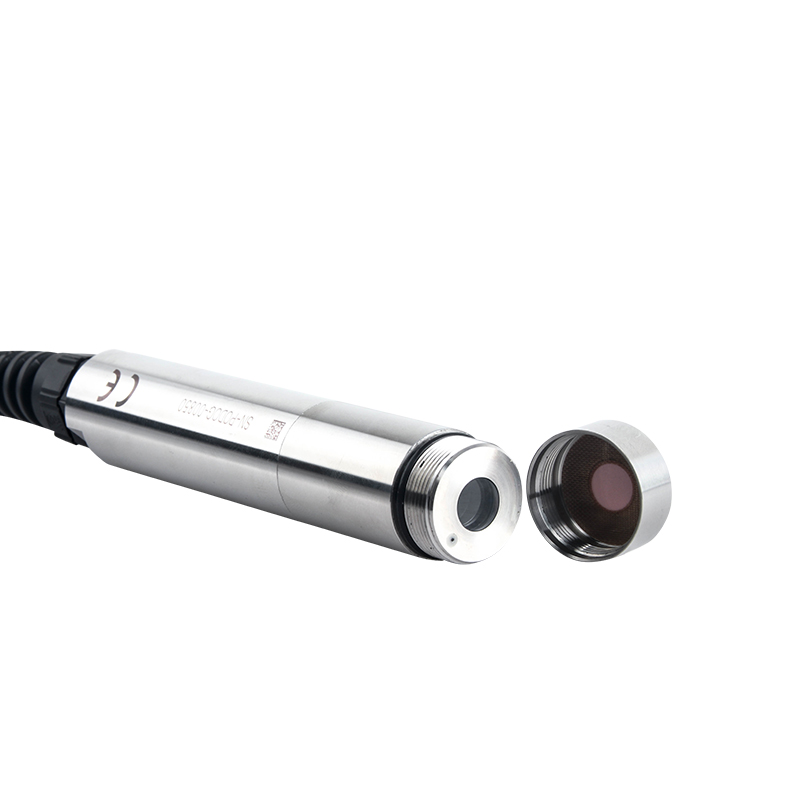
The DO7016 dissolved oxygen sensor employs optical luminescence technology to measure dissolved oxygen concentration with high sensitivity and stability. When illuminated by an internal light source, the luminescent coating on the sensor element emits a signal that changes with the presence of oxygen molecules. This signal is analyzed to determine the DO level within a range of 0.00 to 20.00 mg/L, with a practical resolution of 0.01 mg/L.
The sensor includes temperature compensation through an integrated NTC component, allowing the output to reflect accurate oxygen levels under varying thermal conditions. Standard communication interfaces such as Modbus RS-485 and optional SDI-12 make the DO7016 optical dissolved oxygen measurement compatible with modern process control and data acquisition systems.
Working principle
The optical measurement process of the DO7016 can be understood in three main steps:
Step 1: Luminescent excitation
An internal light source excites a luminescent chemical coating on the sensor tip. This coating is specifically formulated to respond to oxygen molecules in the surrounding liquid.
Step 2: Oxygen interaction
Dissolved oxygen molecules present in the water affect the intensity and decay time of the luminescent emission. Higher oxygen concentration leads to a stronger quenching effect, which alters the signal in a predictable way.
Step 3: Signal processing
The sensor converts the optical emission changes into an electrical signal. This signal is then interpreted through internal processing and transmitted over Modbus or SDI-12 interfaces for recording, monitoring, or automated control.
Key features
To meet the requirements of continuous dissolved oxygen monitoring in diverse environments, the DO7016 integrates the following key features:
-
Optical Luminescence Sensing: It uses luminescent optical technology to deliver stable DO measurements that do not consume oxygen during detection.
-
Wide Measurement Range: It is capable of detecting dissolved oxygen from 0.00 to 20.00 mg/L with high resolution (0.01 mg/L).
-
Fast Response: It provides quick signal response, achieving 90% of the measured value in a short time.
-
Temperature Compensation: It integrated NTC measurement supports accurate DO readings under varying temperature conditions.
-
Standard and Optional Interfaces: It is equipped with Modbus RS-485 as standard and optional SDI-12 for flexible integration with monitoring systems.
-
Robust Construction: It is designed for long-term field use with corrosion-resistant materials and IP68 protection to withstand harsh environments.
Specification
| Product | Dissolved Oxygen Sensor |
| Model | DO7016 |
| Measure range | 0.00 to 20.00 mg/L |
| Resolution | 0.01 |
| Response time | 90% of the value in less than 60 seconds |
| Temperature compensation | Via NTC |
| Stocking temperature | -10°C to + 60°C |
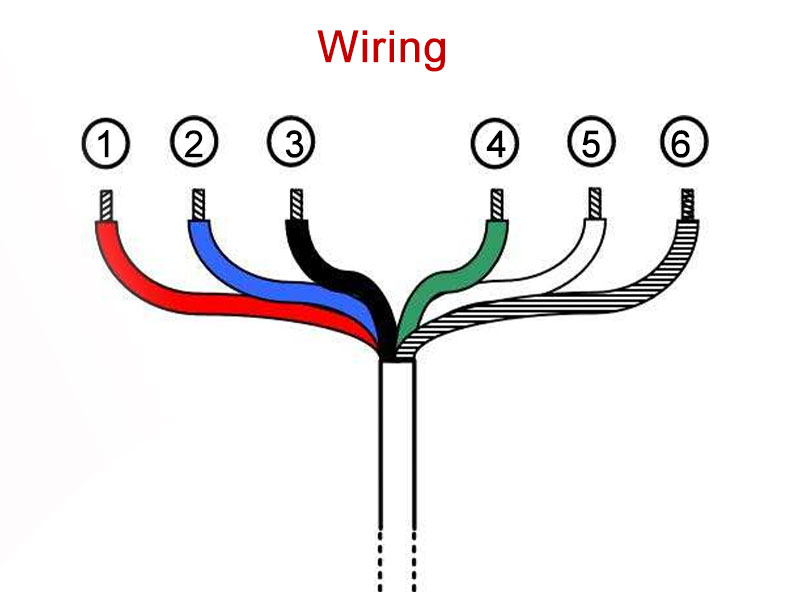
| Signal interface | Modbus RS-485 (standard) and SDI-12 (option) |
| Sensor power-supply | 5 to 12 volts |
| Protection | IP68 |
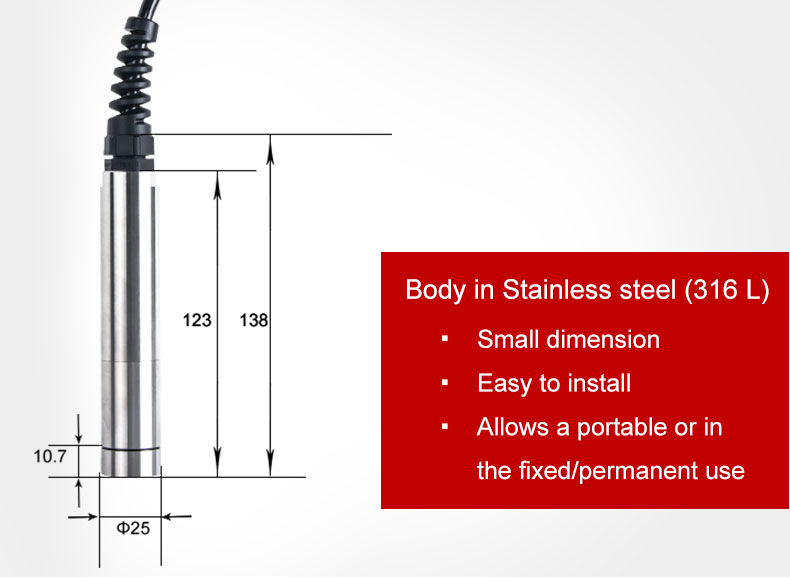
| Material | Stainless steel 316L, New: body in Titanium |
| Maximum pressure | 5 bars |
Applications
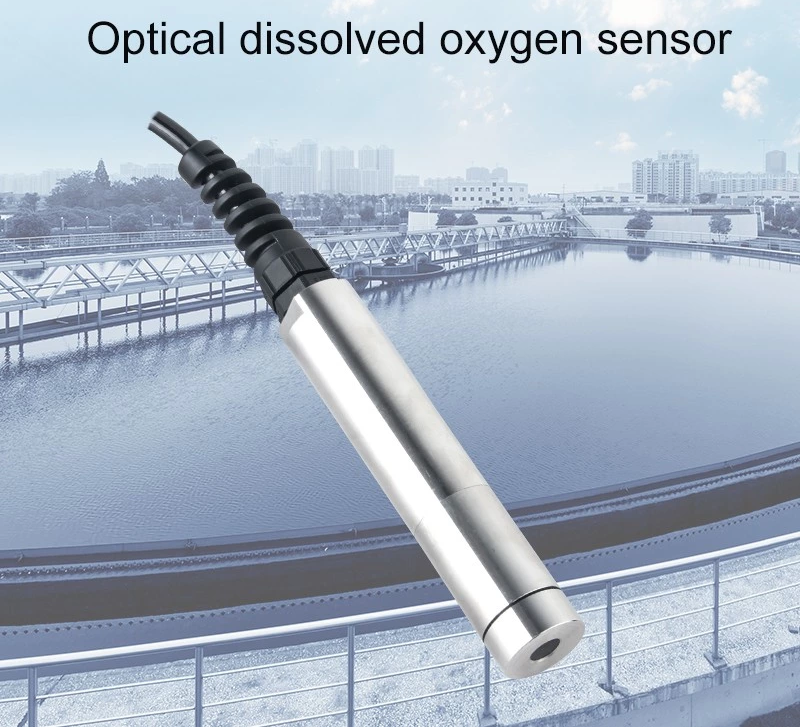
The DO7016 Optical Dissolved Oxygen Sensor is suitable for a variety of continuous monitoring scenarios where accurate DO data is essential:
-
Environmental Water Quality Monitoring: It supports assessment of oxygen levels in rivers, lakes, and reservoirs to evaluate ecological health and compliance.
-
Water and Wastewater Treatment: It helps optimize aeration and biological treatment processes by tracking dissolved oxygen levels in real time.
-
Industrial Water Systems: It enables dissolved oxygen measurement in industrial process water to prevent corrosion and inform process control decisions.
-
Aquaculture Management: It provides continuous DO data to ensure suitable oxygen conditions for aquatic life in ponds, tanks, and cages.
-
Scientific and Laboratory Use: It can be employed in research and field studies where precise dissolved oxygen monitoring supports analysis and experimentation.