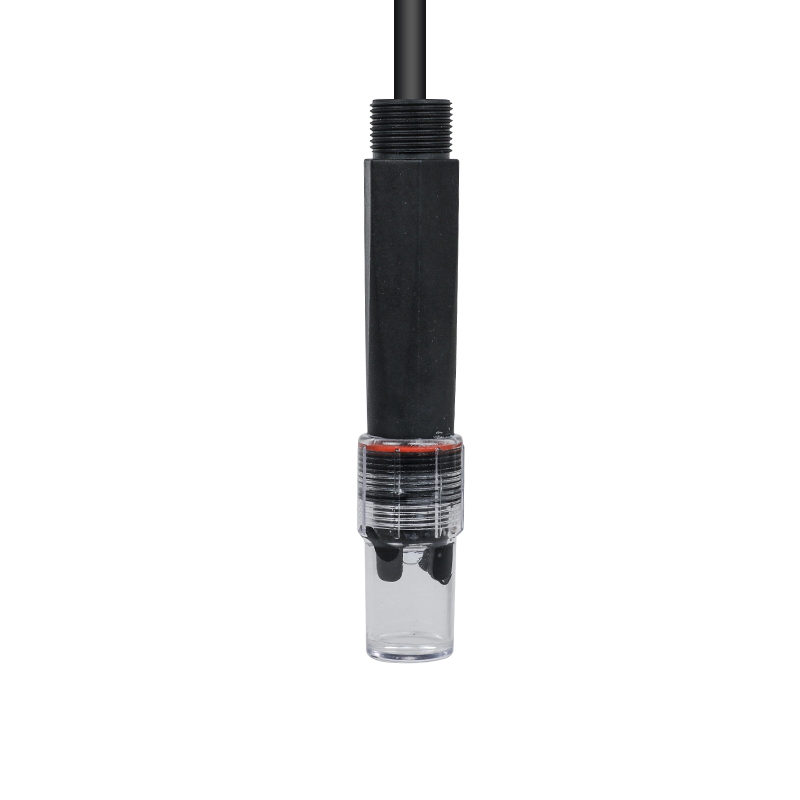

DO7013 Dissolved Oxygen Sensor for Municipal and Industrial Water Treatment
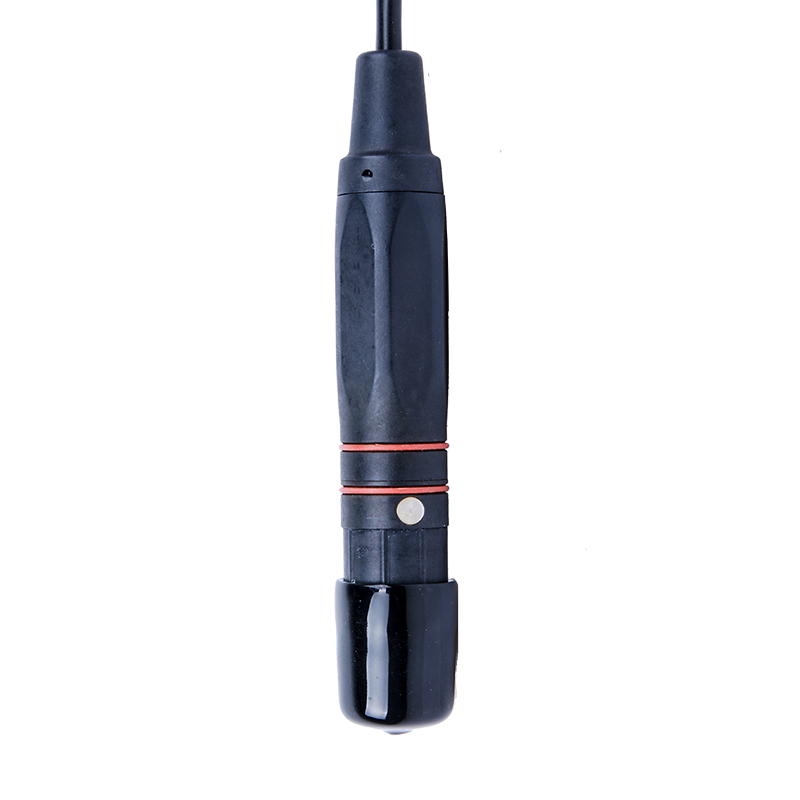
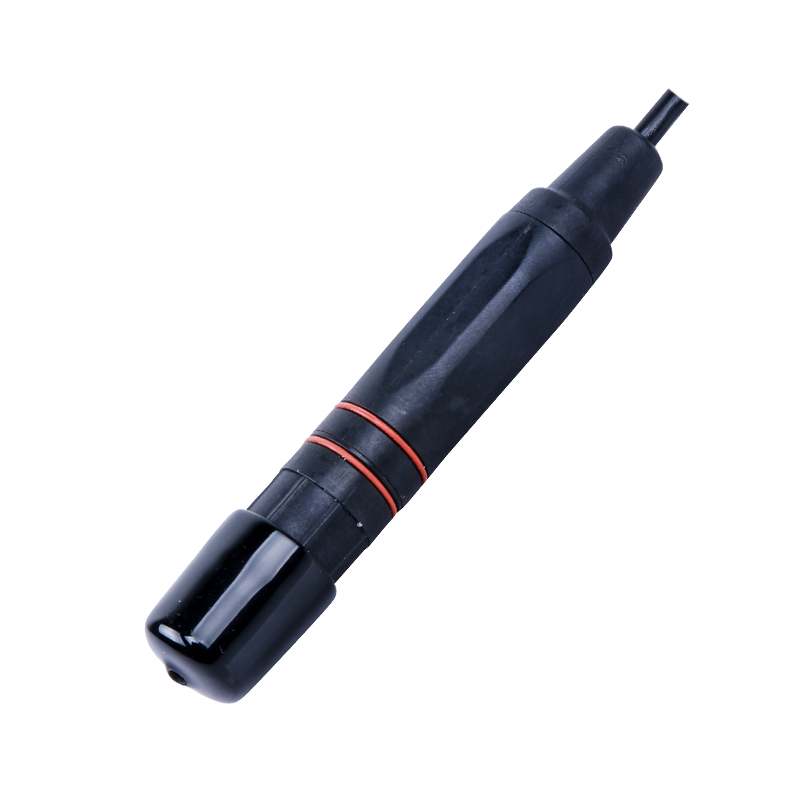
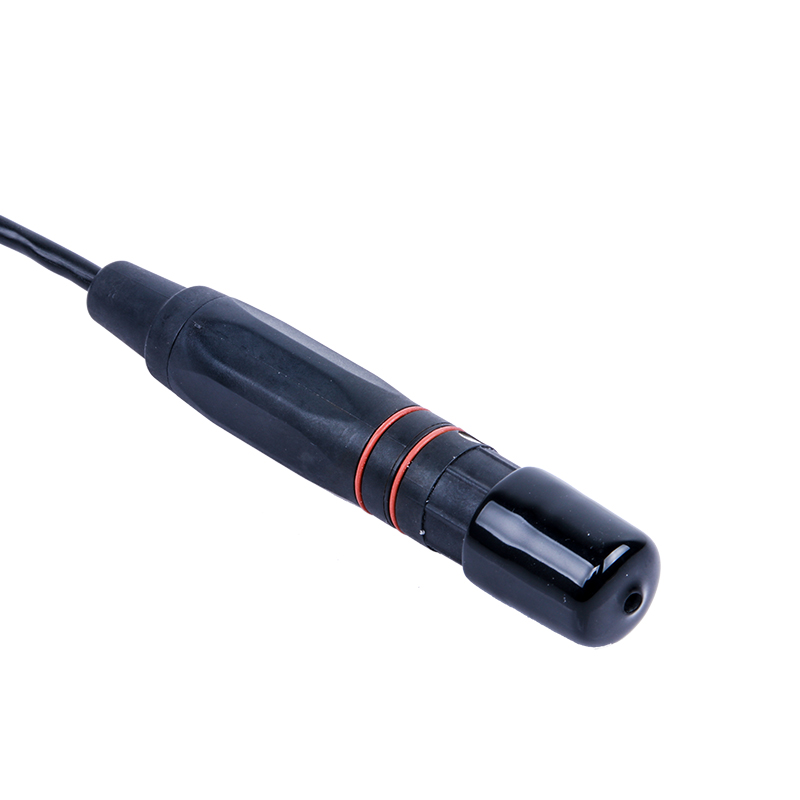
Introduction
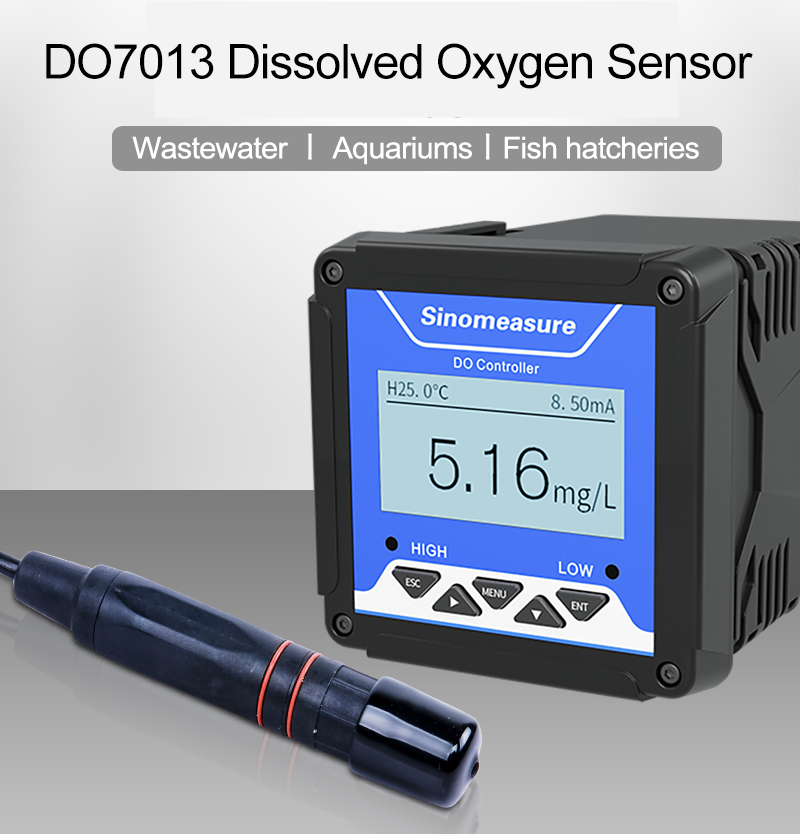
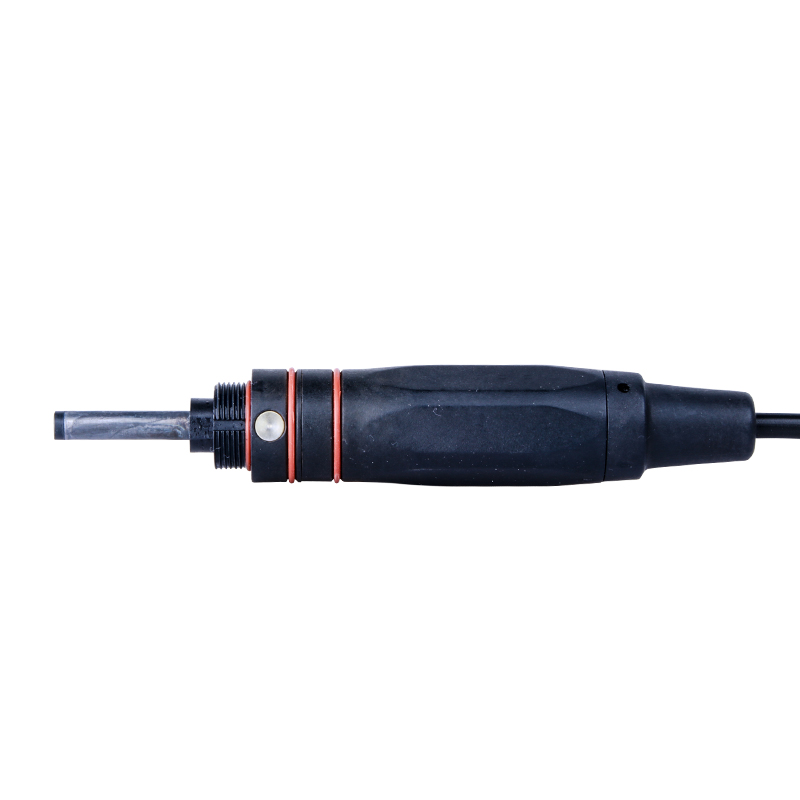
The DO7013 electrochemical dissolved oxygen sensor delivers continuous, accurate measurement using proven galvanic technology that requires no external polarization.
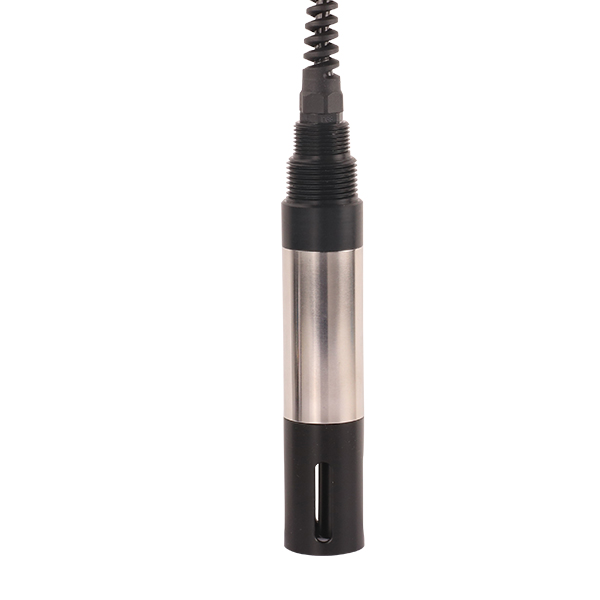
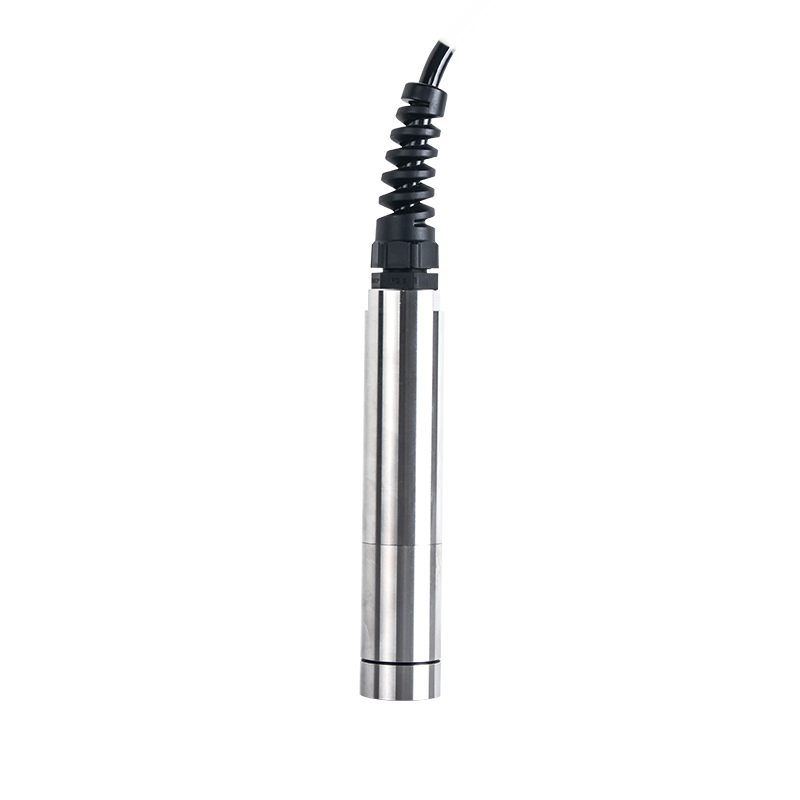
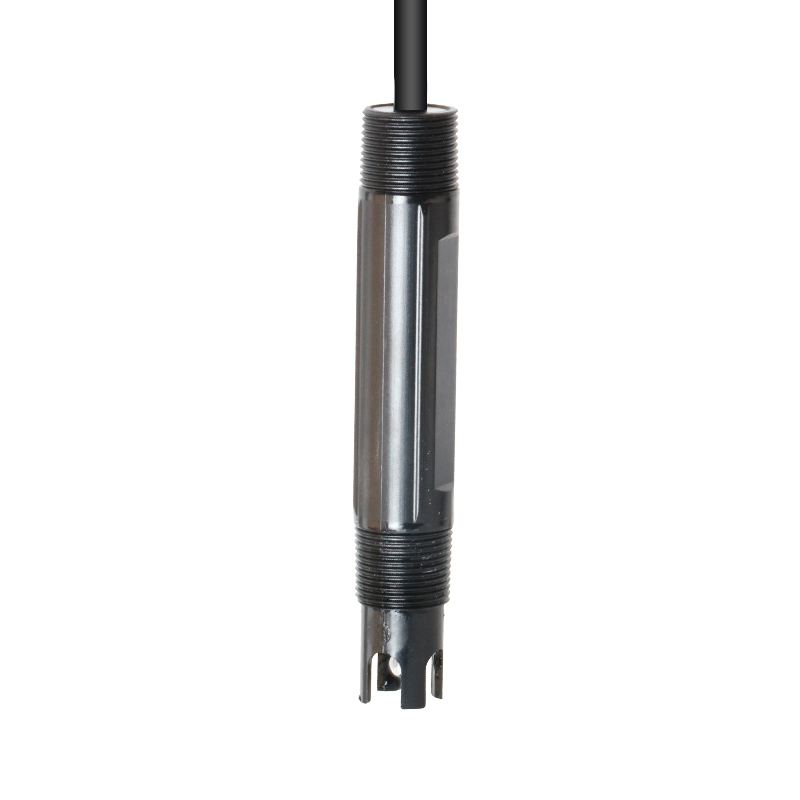
Its self-contained design features a replaceable membrane cap protecting the electrode assembly while enabling oxygen diffusion. Constructed from 316L stainless steel with an IP68 rating, the dissolved oxygen measuring sensor withstands harsh industrial environments, including wastewater treatment and aquaculture applications.
Integrated temperature compensation ensures measurement accuracy across 0-50°C, while the 0-20 mg/L range covers most industrial requirements. Standard 4-20mA and optional RS-485 Modbus outputs enable seamless integration with SCADA systems. Minimal maintenance and robust construction provide reliable, cost-effective dissolved oxygen monitoring.
Working theory
Understanding how the DO7013 dissolved oxygen sensor operates helps optimize installation and maintenance for maximum accuracy and longevity.
Step 1: Oxygen diffusion
Dissolved oxygen molecules from the sample water penetrate the gas-permeable PTFE membrane, passing through to reach the electrode assembly while the membrane blocks contaminants, ions, and water from entering the sensor.
Step 2: Electrochemical reaction
At the cathode surface, oxygen undergoes reduction (O₂ + 2H₂O + 4e⁻ → 4OH⁻) while the anode oxidizes, generating an electrical current proportional to the oxygen concentration without requiring external voltage.
Step 3: Signal processing
The microprocessor measures the generated current and applies automatic temperature compensation using the integrated RTD sensor, converting the corrected signal into standard mg/L or % saturation output formats.
Key features
The DO7013 dissolved oxygen measurement is designed for robust performance and seamless integration in industrial environments:
- Galvanic Electrochemical Sensor: Delivers accurate dissolved oxygen measurement using self-generating galvanic cell technology that eliminates the need for external polarization voltage.
- Wide Measurement Range: Capable of monitoring DO concentrations from 0-20 mg/L with ±0.3 mg/L accuracy, suitable for diverse industrial applications including wastewater treatment and aquaculture.
- Flexible Output Interfaces: Includes 4-20 mA analog output and optional RS-485 digital communication (Modbus protocol) to support control system integration with PLCs, SCADA, and DCS platforms.
- Automatic Temperature Compensation: Integrated PT1000 RTD sensor continuously measures sample temperature across 0-50°C and applies real-time compensation to ensure accurate readings.
- Replaceable Membrane Cap: Tool-free membrane replacement design with 6-12 month service intervals reduces maintenance downtime and operating costs.
- Industrial-Grade Construction: Features 316L stainless steel housing with IP68 waterproof rating, engineered for continuous submersion in pipelines, tanks, and channels where long-term DO monitoring is required.
Specification
| Measurement | DO value in water |
| Measure range | 0~20.00mg/l |
| Resolution | 0.01mg/l |
| Temperature range | -20~60°C |
| Type of sensor | Galvanic Cell sensor |
| Measuring accuracy | <0.5mg/l |
| Output mode | RS485 port*1 |
| Communication protocol | Compatible with standard MODBUS-RTU protocol |
| Communication mode | RS485 9600,8,1, N (by default) |
| ID | 1~255 Default ID 01 (0×01) |
| Fixing method | RS485 remote setting calibration and parameters |
| Power supply mode | 12VDC |
| Power consumption | 30mA @12VDC |
Applications
The DO7013 Electrochemical Dissolved Oxygen Sensor is well-suited for a variety of industrial, environmental, and municipal applications where dissolved oxygen is a critical control parameter:
1. Wastewater Treatment: Monitoring DO levels optimizes aerobic biological processes in activated sludge systems, ensuring effective organic pollutant degradation while enabling automated aeration control that reduces energy consumption by 20-40%.
2. Aquaculture Systems: Maintaining adequate dissolved oxygen (5-7 mg/L) is essential for aquatic animal health and growth. Real-time DO monitoring supports feeding schedules, aeration control, and emergency alarm functions to prevent mortality in high-density farming operations.
3. Environmental Water Quality Monitoring: Continuous DO measurement in rivers, lakes, reservoirs, and coastal waters assists in ecological health assessment, regulatory compliance reporting, and early detection of oxygen depletion events caused by pollution or eutrophication.
4. Industrial Process Control: DO measurement is integral to fermentation reactors, chemical oxidation processes, and cooling water systems where oxygen content impacts reaction efficiency, product quality, or corrosion potential in boiler feedwater and condensate lines.
5. Drinking Water Treatment: Tracking dissolved oxygen levels supports ozone dissolution efficiency monitoring, biological filtration performance verification, and corrosion control while detecting anaerobic conditions that affect water taste and odor quality.