
C702S 4-20mA Signal Generator Online Portable Signal Generator
Introduction
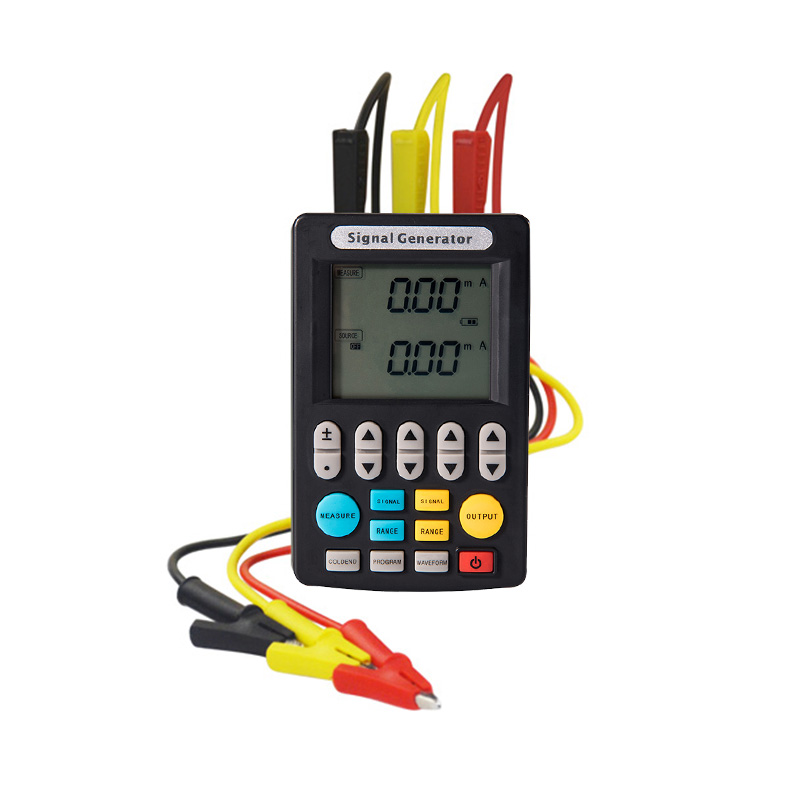
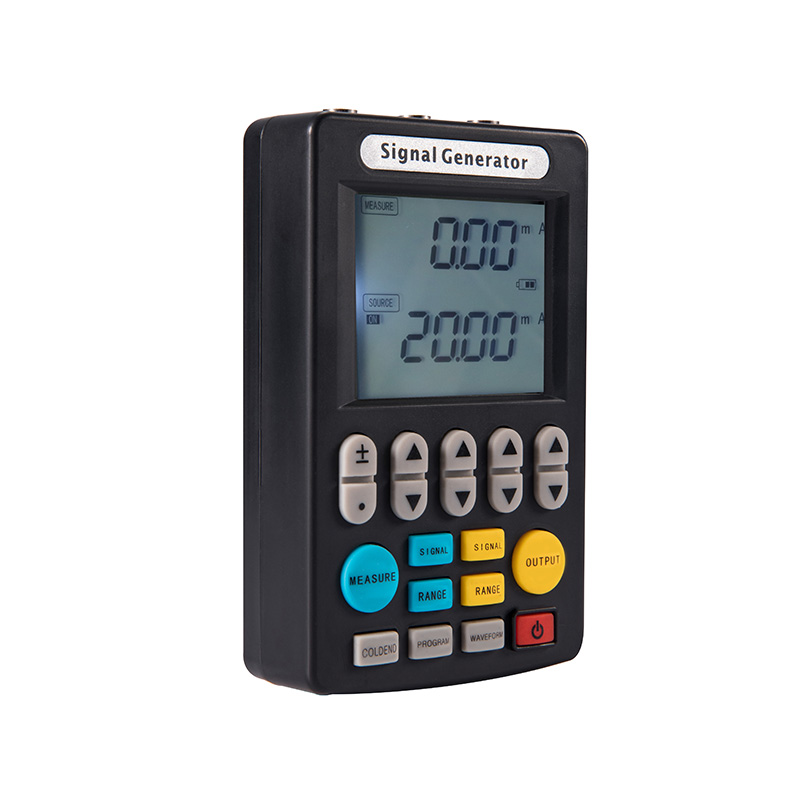
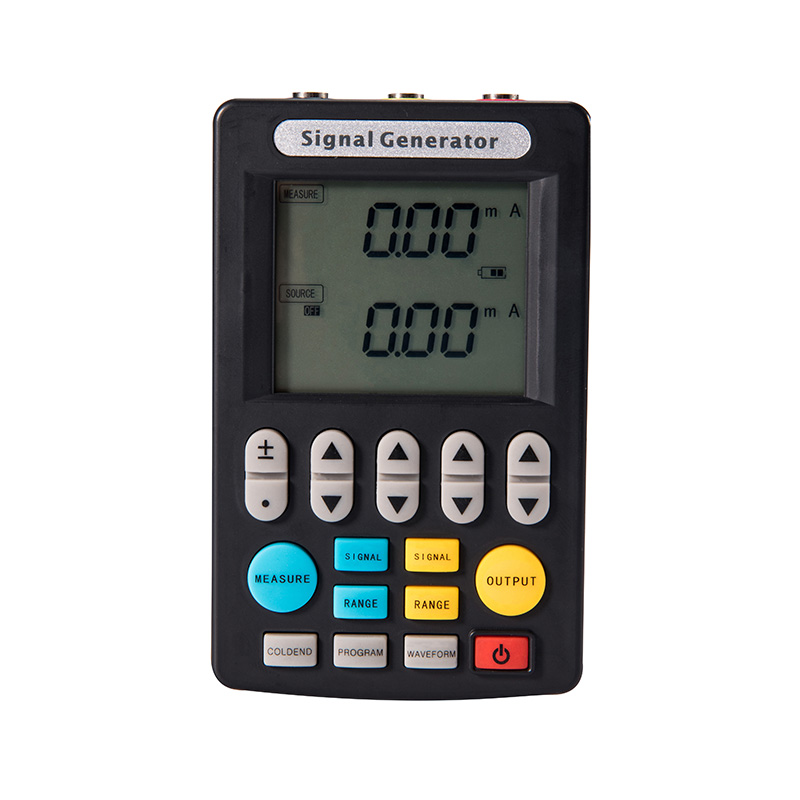
The C702S is engineered to generate and measure key electrical signals used in industrial automation and instrumentation. It supports a broad set of signal types, including mA (0–24 mA), voltage (mV/V), resistance (Ω), RTD, and thermocouple outputs, making it a versatile tool for calibration and testing across different sensor technologies.
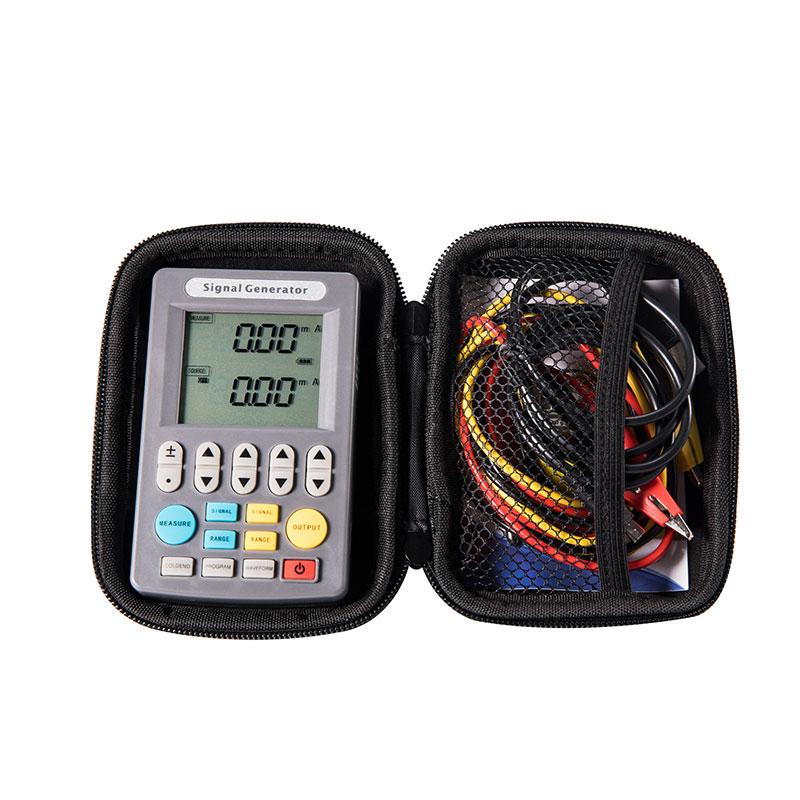
Whether verifying the output of a pressure transmitter, checking a temperature controller, or testing a PLC input module, the C702S delivers stable, repeatable signals for accurate validation. Its compact design and battery power supply enable convenient operation in diverse environments from industrial plants to service vans.
With flexible output modes and built-in compensation functions, this signal generator reduces calibration complexity and helps technicians complete tasks efficiently with fewer tools.
Working principle
The C702S 4-20 mA signal generator functions by generating controlled electrical signals that simulate real sensor and transmitter outputs, and by accurately reading incoming signals when in measurement mode.
-
Signal Generation (Source Mode):
The instrument outputs stable analog signals corresponding to common process parameters. These simulated signals allow technicians to test controllers, PLC input channels, indicator meters, or other devices by replacing real sensors with known reference values. -
Signal Measurement (Measure Mode):
In this mode, the C702S reads incoming signals from field devices. This helps verify whether transmitters and sensors are producing expected outputs and assists in diagnosing wiring or calibration issues. -
Programmable Output Modes:
The generator supports digital adjustments and sweep functions to simulate dynamic process changes. This includes linear signal transitions, stepped increments, and custom segmented waveforms that help examine device behavior under varying conditions.
The combination of accurate sourcing and reliable measurement makes the C702S a practical tool for both commissioning and maintenance tasks.
Key features
The C702S stands out for its precision, flexibility, and portability, making it suitable for a wide range of calibration and verification scenarios:
• Multi-Signal Support: Sources and measures standard industrial signals, including mA, mV, V, Ω, RTD, and thermocouple types. This versatility reduces the need for multiple single-function tools.
• Battery-Powered Portability: Operates on four AAA batteries, allowing on-site calibration without dependence on external power — ideal for field technicians.
• Thermocouple Simulation & Compensation: Supports thermocouple output and measurement with auto and manual cold junction compensation, ensuring accurate temperature signal simulation across different TC types.
• Flexible Output Modes: Includes step sweep, linear sweep, and manual step output functions to simulate dynamic process conditions and evaluate device performance under varying signal profiles.
• Stable and Accurate Output: Offers reliable signal generation with high resolution and repeatability, supporting confident calibration results across industrial applications.
• Clear Operation Interface: Intuitive controls and display simplify setup and adjustment, reducing calibration time and minimizing the potential for operator error.
Specification
| Product | Signal generator |
| Model | C702S |
| Operating temperature and humidity | -10~55℃, 20~80% RH |
| Storage temperature | -20-70℃ |
| Size | 115*70*26(mm) |
| Weight | 300g |
| Power | 3.7V lithium battery or 5V/1A power adapter |
| Power dissipation | 300mA, 7~10hour |
| OCP | 30V |
Applications
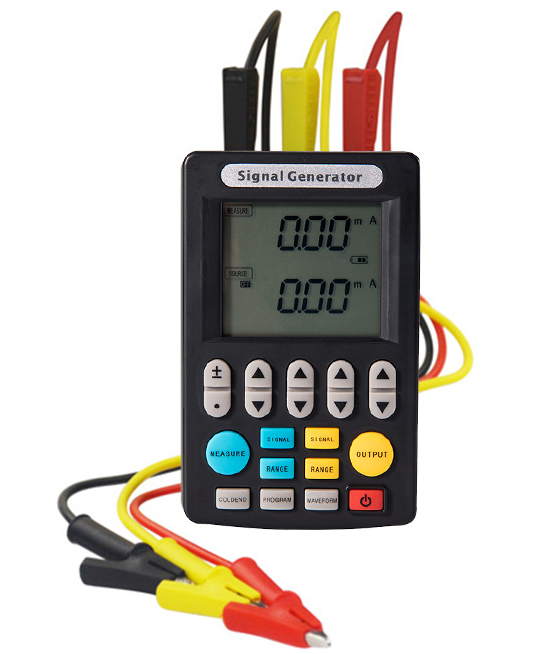
The C702S signal generator is widely used in industrial and maintenance workflows, where reliable signal calibration and verification are essential:
• Instrument Calibration: Validate the performance of transmitters, controllers, and sensor interfaces by generating standard reference signals.
• PLC & Control System Testing: Simulate input signals to verify PLC input accuracy, controller response, and system integration during startup or maintenance.
• Field Maintenance & Troubleshooting: Identify and diagnose wiring issues, sensor drift, or calibration deviations in process loops during routine service.
• Factory Commissioning: Ensure newly installed instrumentation and control loops operate according to design specification before handover.
• Educational and Lab Use: Provides precise signal outputs for laboratory training, instrument testing, and quality verification tasks.