
ORP6040 ORP Sensor, pH ORP Sensors for Industrial, Laboratory, and Daily Usage
Introduction
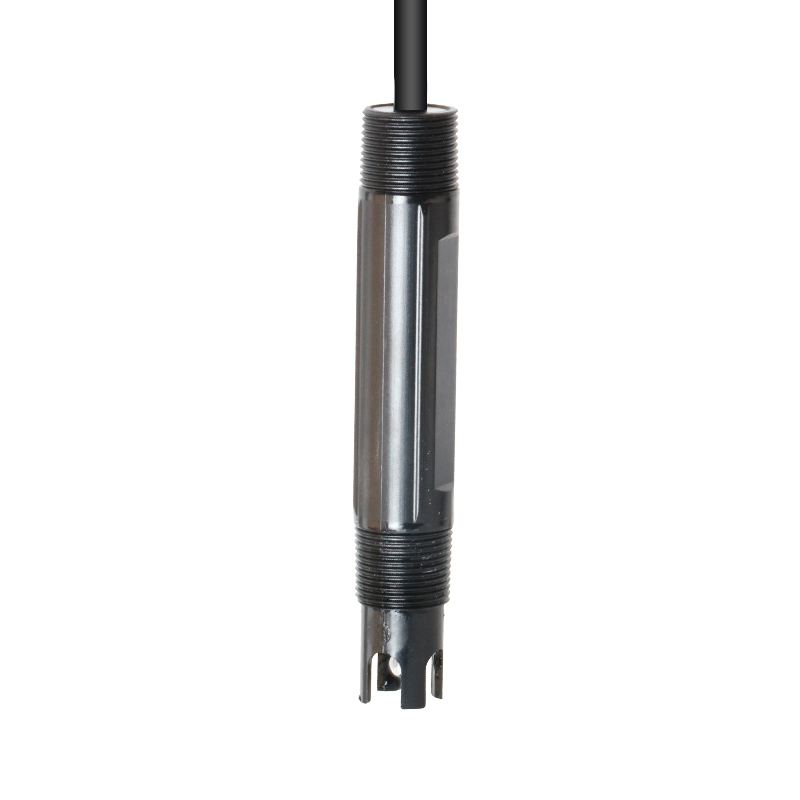
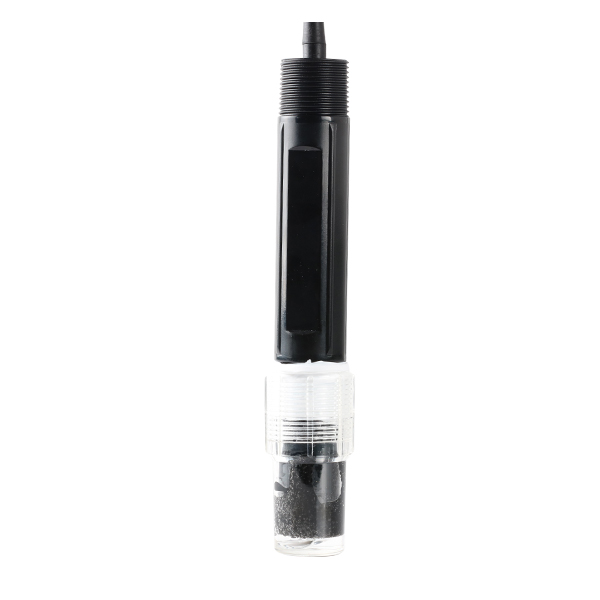
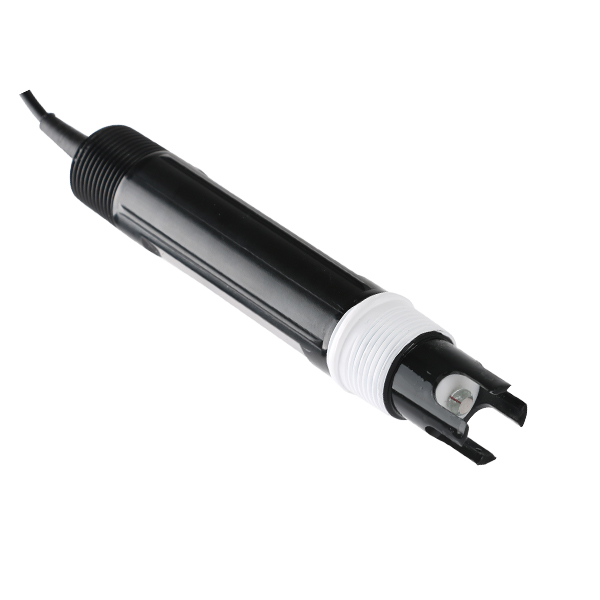
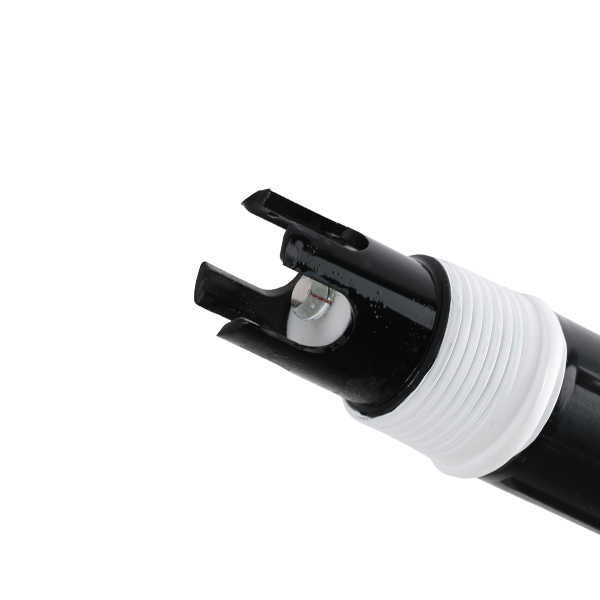
The ORP6040 ORP sensors measure the oxidation-reduction potential of process liquids across a range of −1000 mV to +1000 mV, making it suitable for diverse applications, from wastewater treatment to chemical processing.
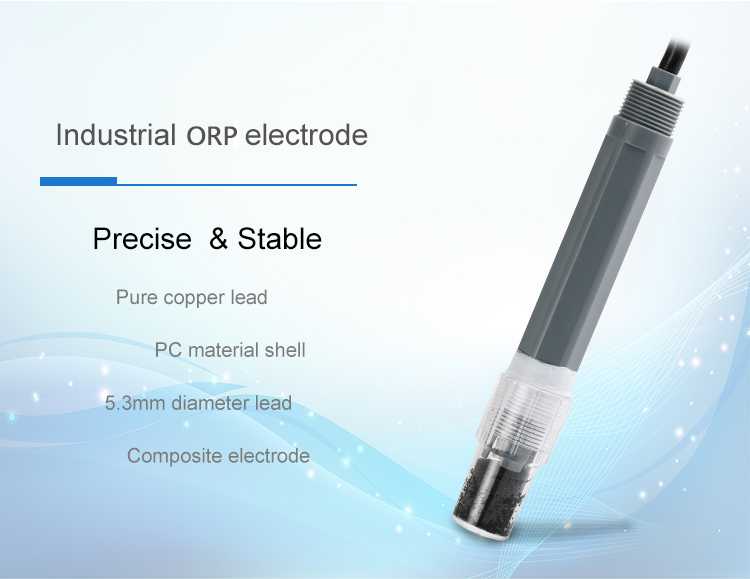
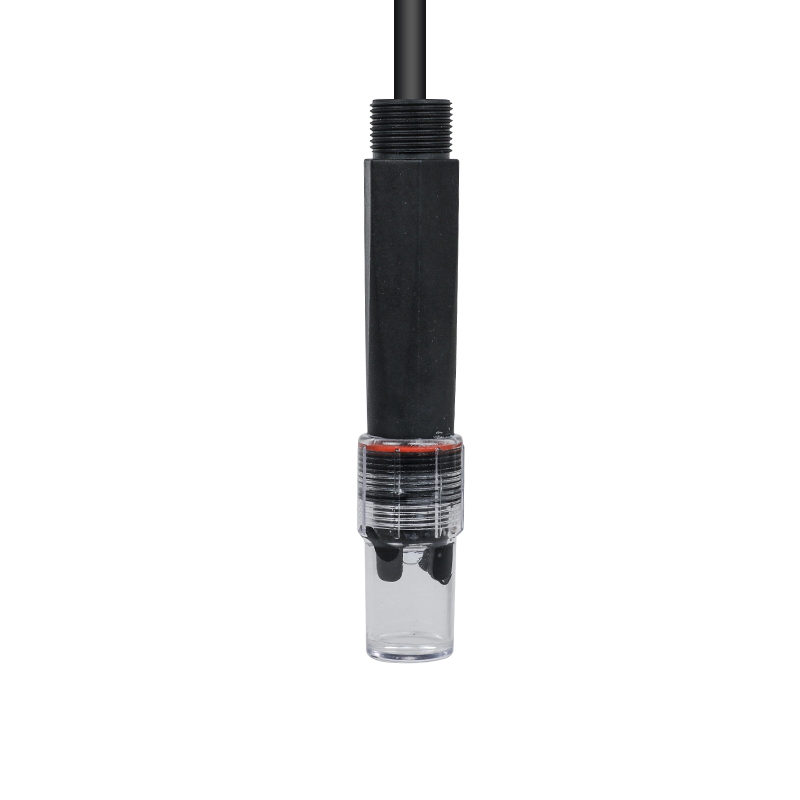
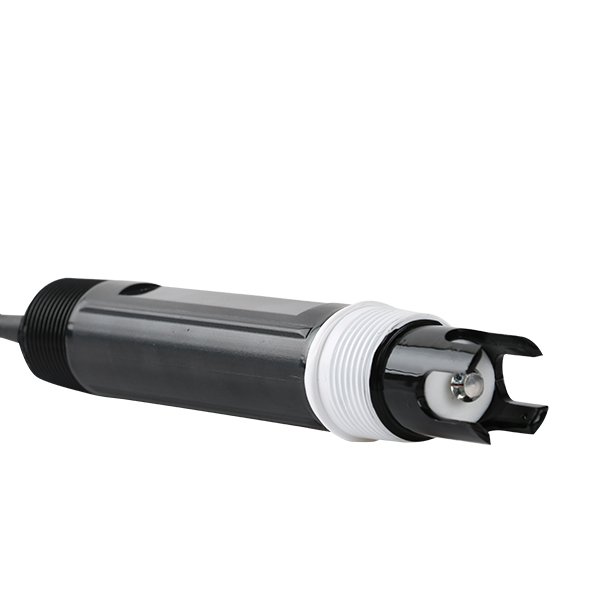
As a remarkable pH ORP sensor, it incorporates a high-quality reference electrode system and a Teflon liquid contact junction for enhanced durability and maintenance ease.
Featuring a practical response time of under one minute and a low-noise cable connection for long signal transmission, this sensor from the sensors manufacturer pH ORPmeasurement delivers high precision and good repeatability in demanding operational environments.
Working routine
Understanding how an ORP sensor works helps users appreciate its role in process control and analytical systems:
Step 1: Primary electrode potential formation
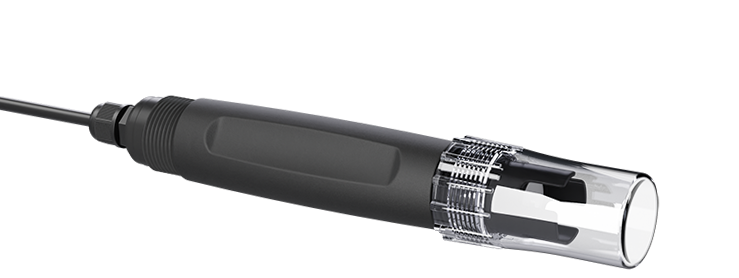
The sensor consists of a measuring (active) electrode and a reference electrode. The active electrode interacts with the ions in the liquid medium, while the reference electrode maintains a stable potential. The resulting voltage difference reflects the liquid’s redox state.
Step 2: Electromotive force (EMF) generation
This voltage difference, known as electromotive force (EMF), is generated by the chemical reactions occurring at the interface of the electrodes and the solution. The strength of this EMF corresponds to the relative tendency of the solution to gain or lose electrons (i.e., its oxidation or reduction potential).
Step 3: Signal transmission and measurement
The sensor outputs this potential difference as a millivolt signal (mV), which conductivity transmitters or controllers can read. The measured ORP value provides quantitative feedback on the oxidizing or reducing conditions in the liquid, which can then be utilized for automated process adjustments.
Key features
The ORP6040 is engineered with features that support stable performance and long service life:
-
Wide ORP Measurement Range: Capable of measuring from −1000 mV to +1000 mV, covering most industrial redox potential needs.
-
Fast Response: Practical response time under 1 minute enables timely process feedback.
-
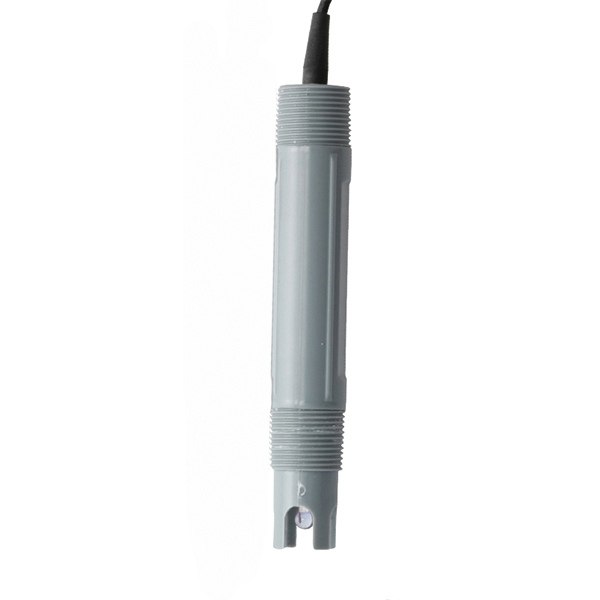
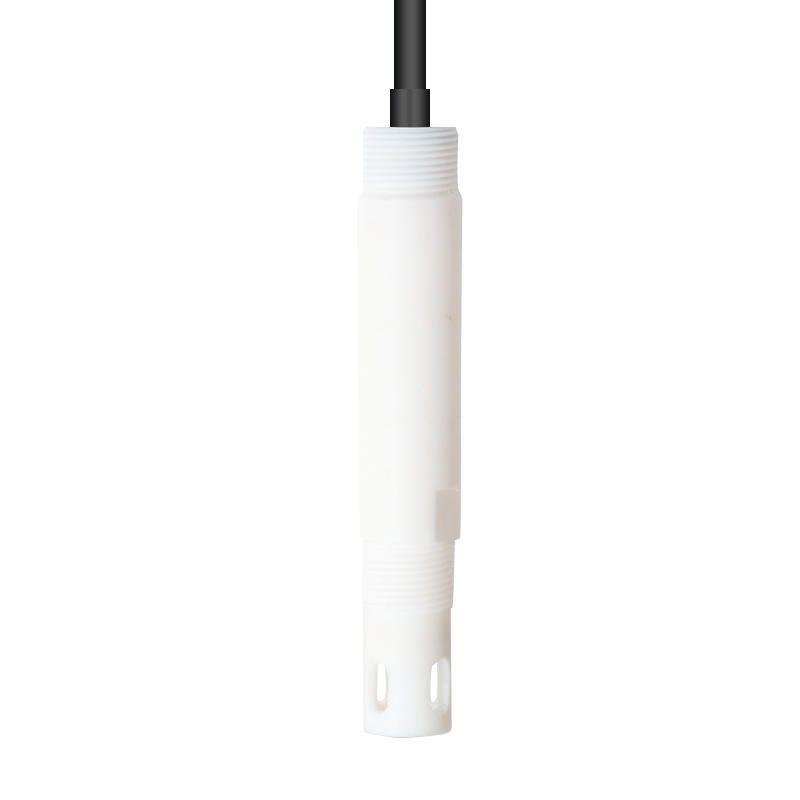
Sturdy Installation: Designed with a 3/4 NPT pipe thread for easy and secure mounting in pipelines or vessels.
-
Durable Construction: Solid dielectric and large-area PTFE liquid junction minimize clogging and simplify maintenance.
-
Extended Electrode Life: Long-distance diffusion path for the reference element helps extend operational life even in harsh environments.
-
Low-Noise Cable Connection: High-quality cable supports signal transmission over distances greater than 40 m without interference.
-
Reliable Components: Incorporates a silver/silver chloride (Ag/AgCl) reference electrode for a stable potential reference.
Specification
| Products | ORP sensor |
| Model no. | ORP6040 |
| Range | -1000~+1000 mV |
| Practical response time | < 1 min |
| Installation thread | 3/4NPT Pipe Thread |
| Temperature | 0-60℃ for general cables |
| Pressure | 1 ~ 6 Bar |
| Connection | Low-noise cable |
Applications
The ORP6040 ORP sensor supports a wide range of liquid analysis and control applications:
-
Water & Wastewater Treatment: Continuous ORP monitoring helps manage oxidation processes, disinfection efficiency, and chemical dosing.
-
Chemical Processing: Suitable for tracking redox reactions in specialty chemicals, ensuring consistent reaction conditions.
-
Industrial Process Control: ORP feedback can be integrated into automatic control systems to maintain desired redox levels in industrial fluids.
-
Environmental Monitoring: Provides essential redox data for assessing oxygen presence and pollutant breakdown in natural waters.
-
Food & Beverage: Ensures sanitization processes are effective by monitoring oxidizing agent levels during cleaning cycles.