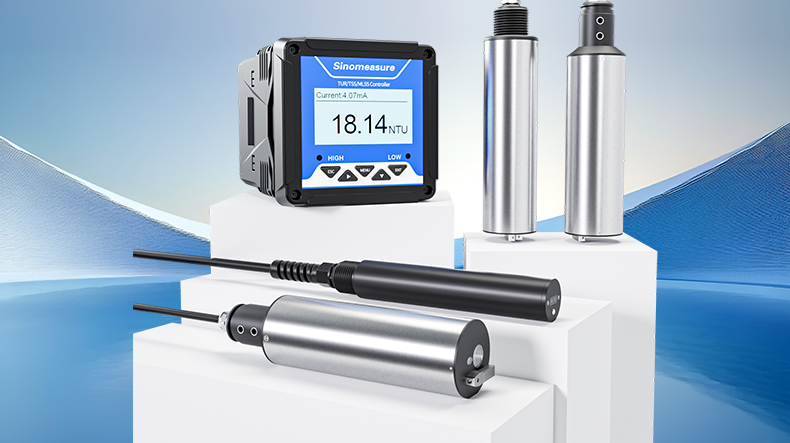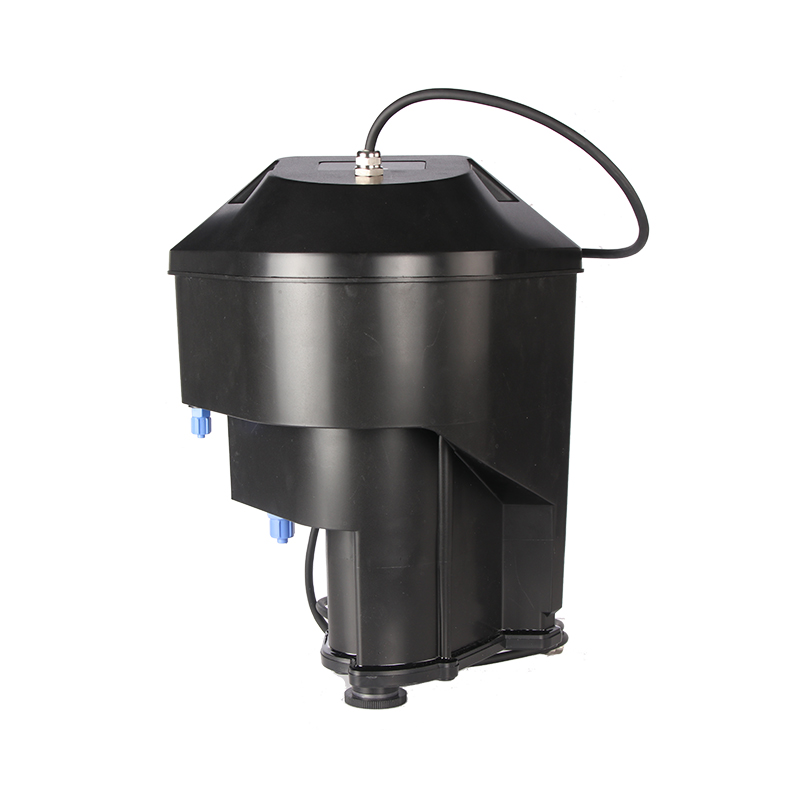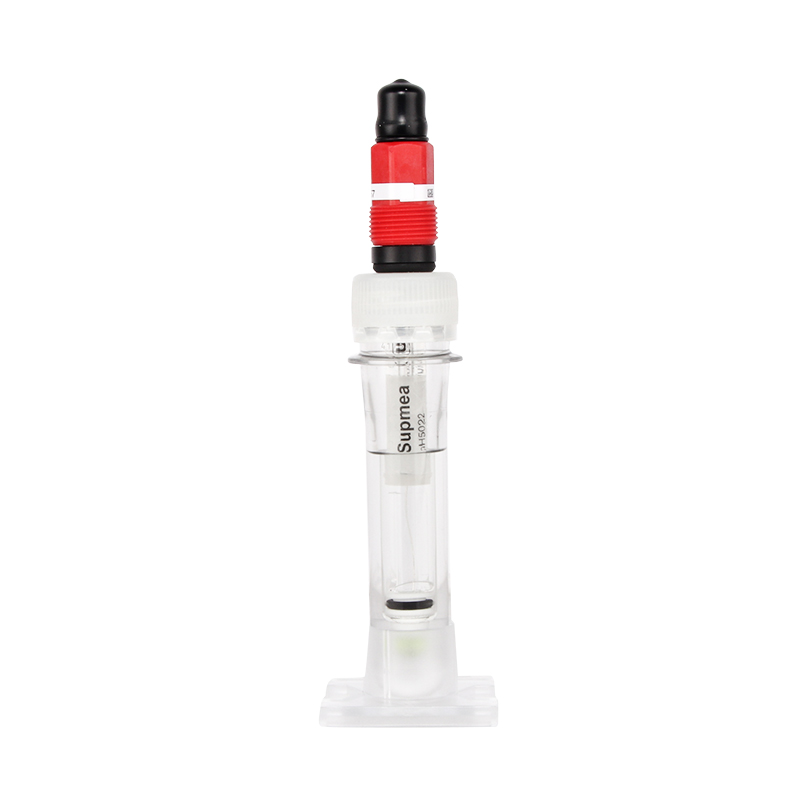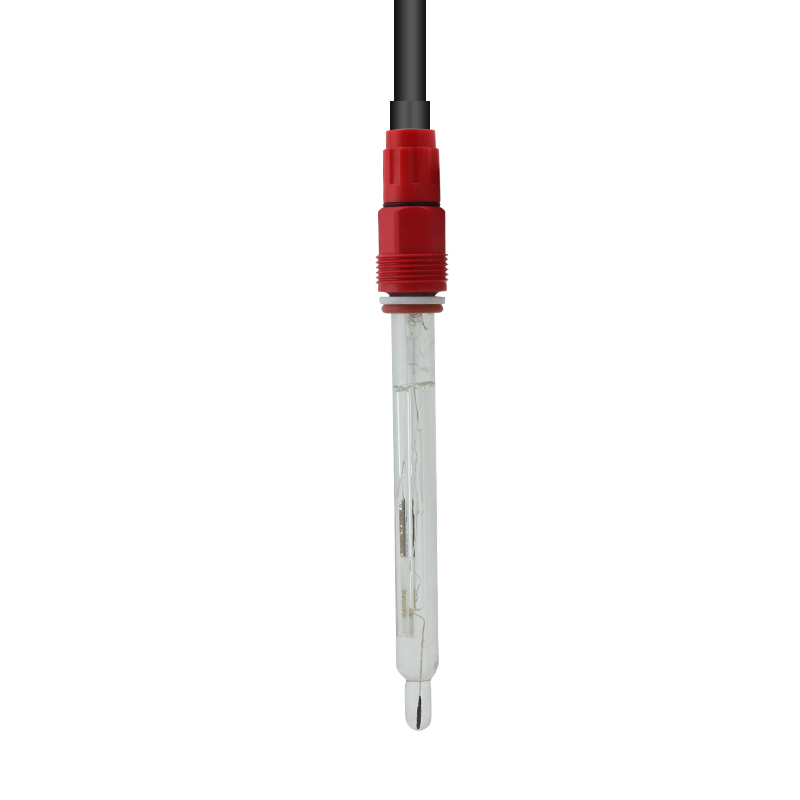

PTU8011 Inline Turbidity Sensor, Turbidity Sensors, Water Turbidity Sensor for Industry/Lab


Introduction
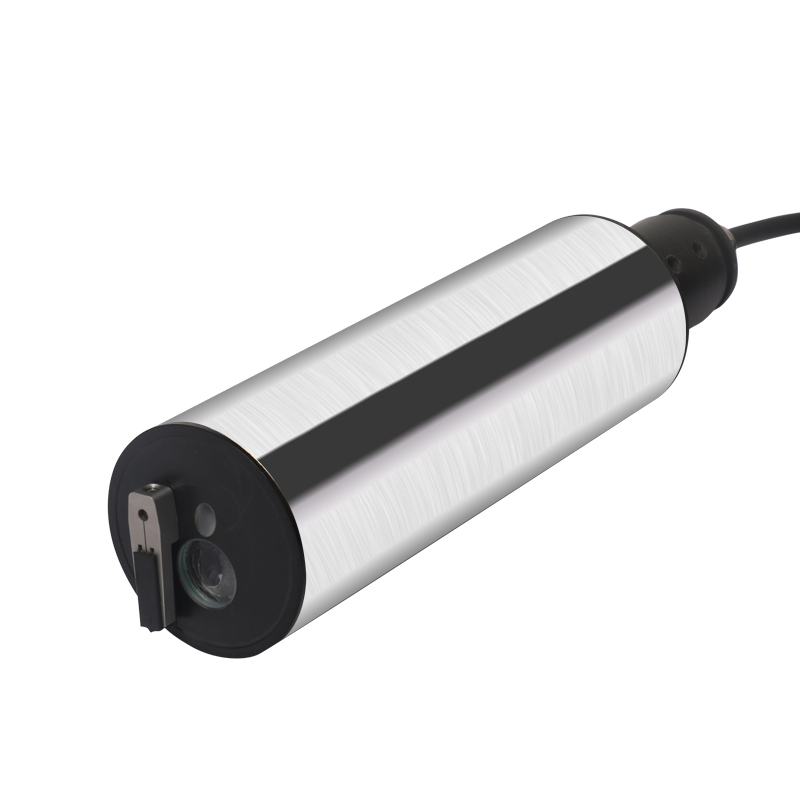
The PTU8011 Turbidity Sensor is a high-performance optical device designed for continuous monitoring of water turbidity. It operates based on the principle of light scattering and is equipped with advanced photodetectors for highly accurate turbidity readings. The sensor is capable of measuring turbidity in a wide range of concentrations (0-1000 NTU), making it ideal for a variety of applications, from environmental monitoring to industrial process control.
Built with durability in mind, the PTU8011 turbidit sensor is designed to withstand harsh environments and deliver consistent performance. The sensor offers easy integration with existing monitoring systems and features long-term stability, reducing maintenance and downtime.
Working principle
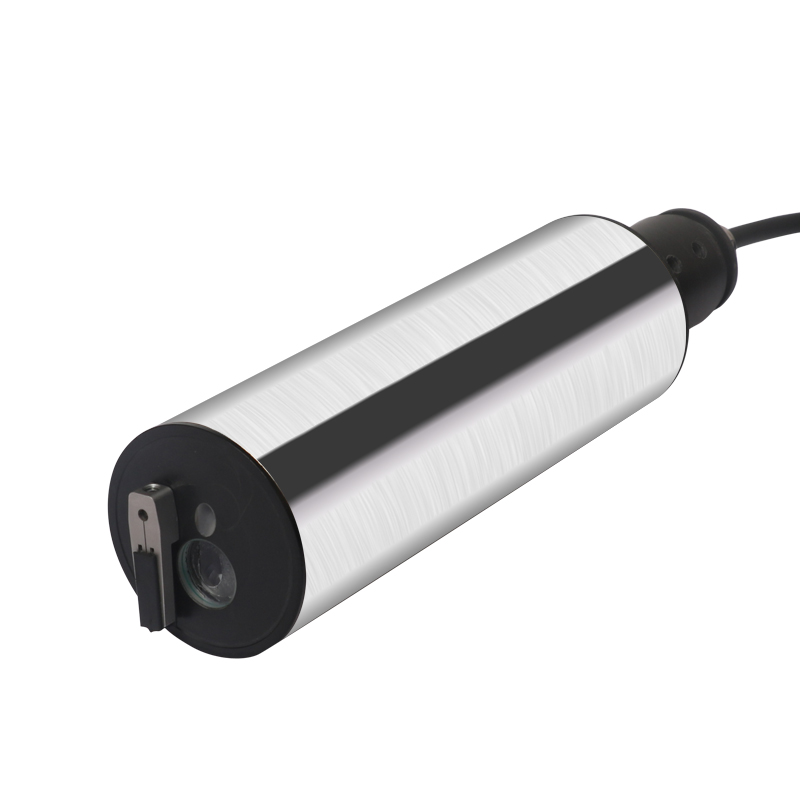
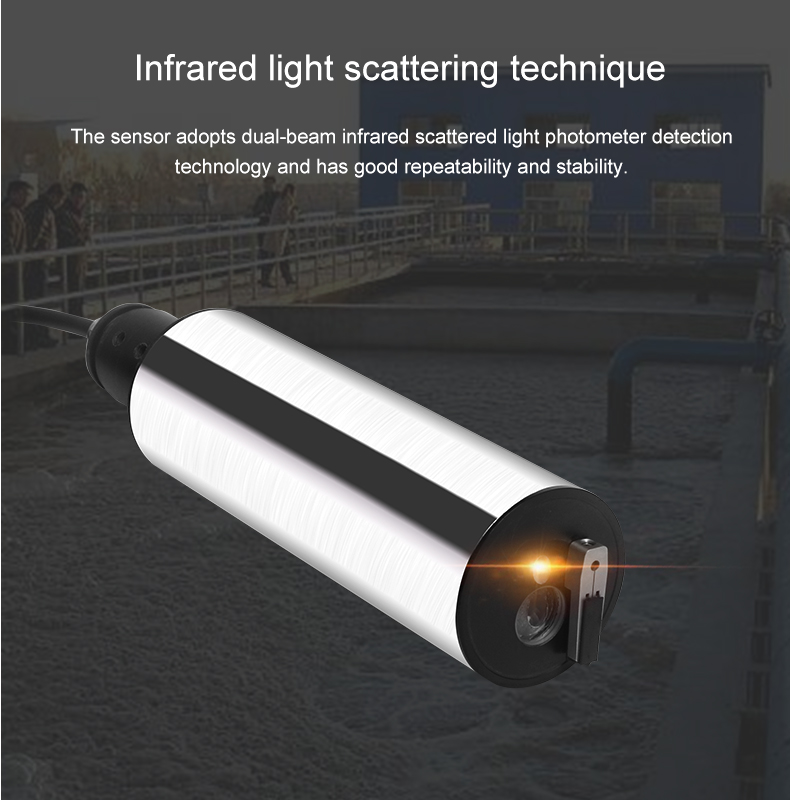
The PTU8011 Turbidity Sensor operates based on the principle of nephelometric turbidity measurement, where suspended particles in the water scatter light. The sensor emits light into the water sample, and the amount of scattered light is measured by a photodetector at a fixed angle (typically 90°). The scattered light correlates with the concentration of suspended particles in the water, which is then converted into a turbidity reading in NTU (Nephelometric Turbidity Units).
The sensor is designed for high sensitivity and fast response, making it ideal for real-time monitoring in dynamic environments. The optical system and advanced electronics ensure that measurements are highly accurate, providing users with reliable data for managing water quality.
Key features
Designed for reliable and long-term turbidity monitoring, the turbidity sensor offers the following key features:
-
Wide measurement range: Measures turbidity from 0 to 1000 NTU, suitable for both low- and high-turbidity environments.
-
High accuracy: Provides precise turbidity readings, helping ensure accurate water quality monitoring.
-
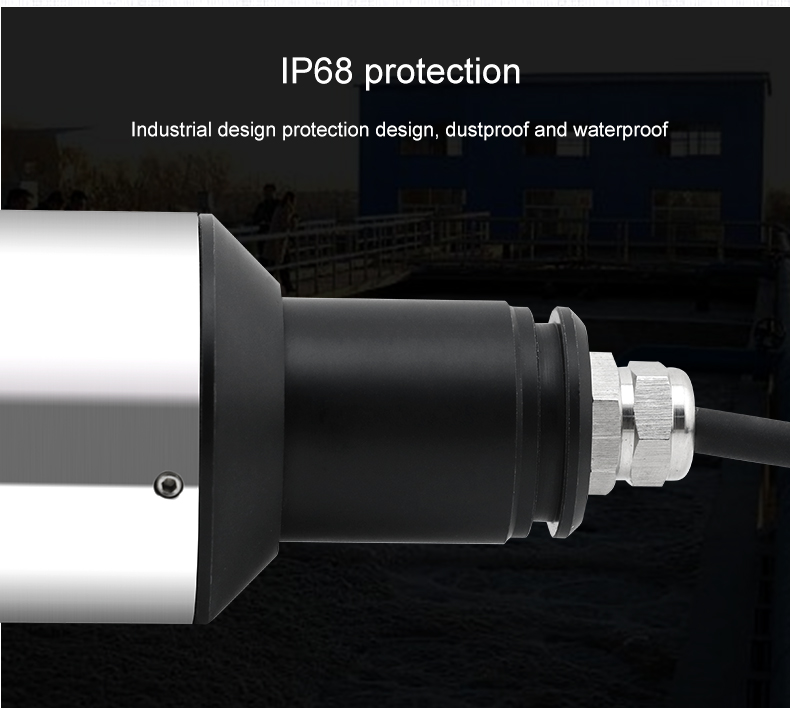
Durable construction: Designed with stainless steel and IP68-rated waterproof housing, making it perfect for harsh industrial environments.
-
Real-time monitoring: Offers continuous, real-time turbidity data, allowing for timely adjustments to water treatment processes.
-
Easy integration: Compatible with various controllers and monitoring systems for seamless integration.
-
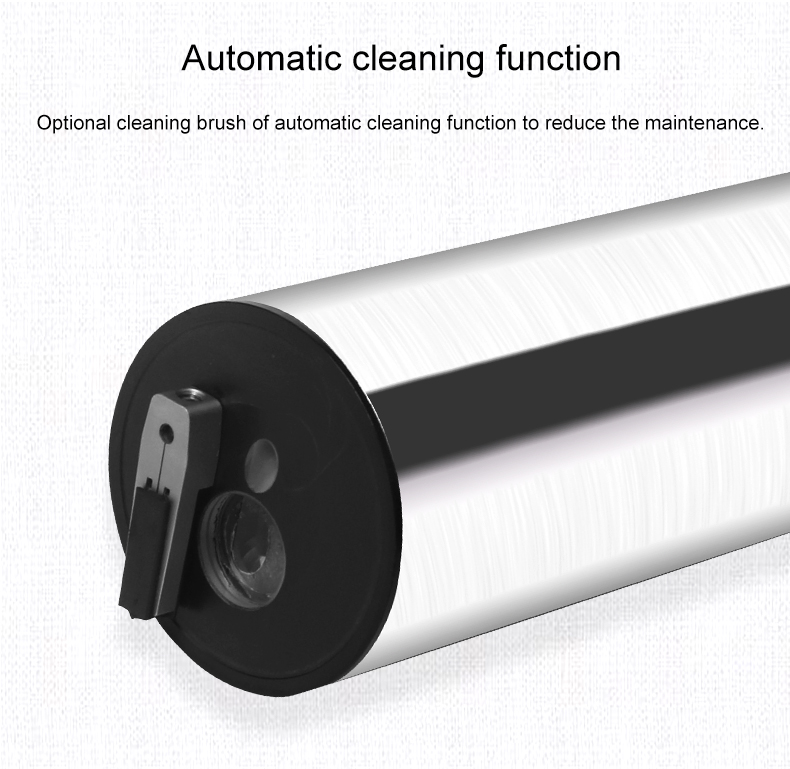
Low maintenance: The sensor’s durable design and easy-to-clean components reduce the need for frequent maintenance.
-
Temperature compensation: Ensures accurate readings in varying environmental conditions with automatic temperature compensation.
-
Long-term stability: Built for long-term reliability, minimizing the need for recalibration and downtime.
Specification
| Product | Turbidity sensor |
| Measure range | 0.01-100 NTU 、0.01-4000 NTU |
| Indication resolution | Less than ± 2% of the measured value, |
| or ± 0.1 NTU Maximax criterion | |
| Pressure range | ≤0.4MPa |
| Flow velocity | ≤2.5m/s、8.2ft/s |
| Environment temp | 0~45℃ |
| Calibration | Sample Calibration, Slope Calibration |
| Cable length | Standard 10-Meter Cable, Max Length: 100 Meters |
| High voltage baffle | Aviation Connector, Cable Connector |
| Main materials | Main Body:SUS316L (Ordinary Version), |
| Titanium Alloy (Seawater Version) | |
| Upper and Lower Cover: PVC; Cable: PVC | |
| Ingress protection | IP68 |
| Weight | 1.65 KG |
Applications
The PTU8011 Turbidity Sensor is used in a variety of industries and applications that require continuous monitoring of water quality. Its accuracy and durability make it a reliable choice for:
-
Wastewater treatment: Ensures compliance with environmental regulations by monitoring suspended solids and turbidity in wastewater treatment.
-
Drinking water monitoring: Assesses water quality in municipal and industrial water treatment plants to ensure safe drinking water standards.
-
Aquaculture: Monitors water quality in fish farms, ensuring the health and safety of aquatic life by tracking turbidity levels.
-
Environmental monitoring: Used in rivers, lakes, and other water bodies to measure turbidity and assess pollution levels.
-
Industrial applications: Controls the water quality in processes such as paper manufacturing, pharmaceuticals, and food and beverage production, where turbidity plays a crucial role in product quality.
-
Hydroelectric power plants: Monitors water quality in power generation facilities, ensuring the integrity of cooling systems.