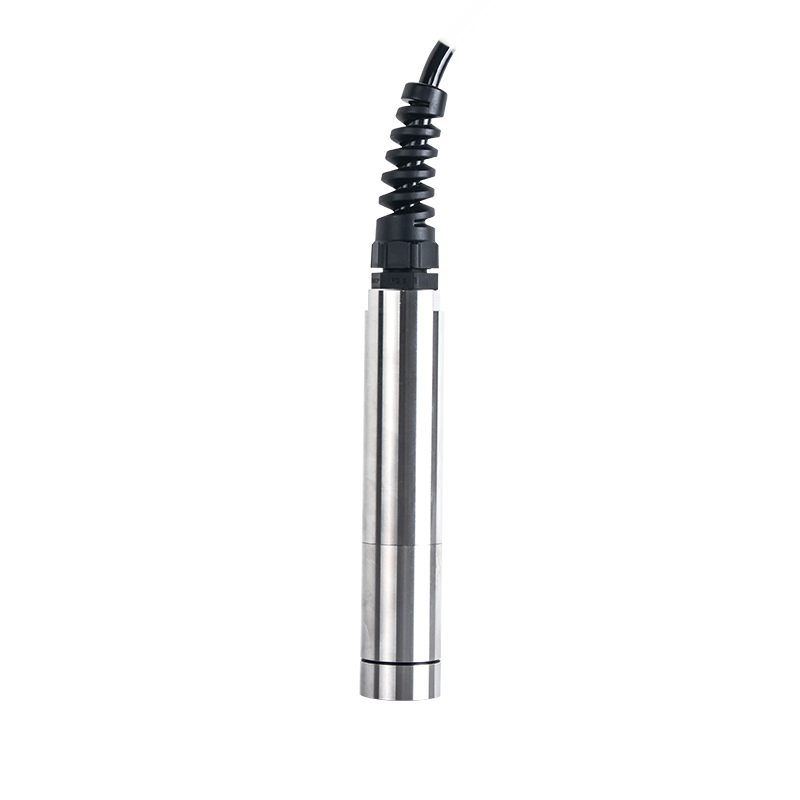

PTU8011 Turbidity Sensor for Urban, Industrial, Municipal Water Treatment with Ultra-Low Resolution
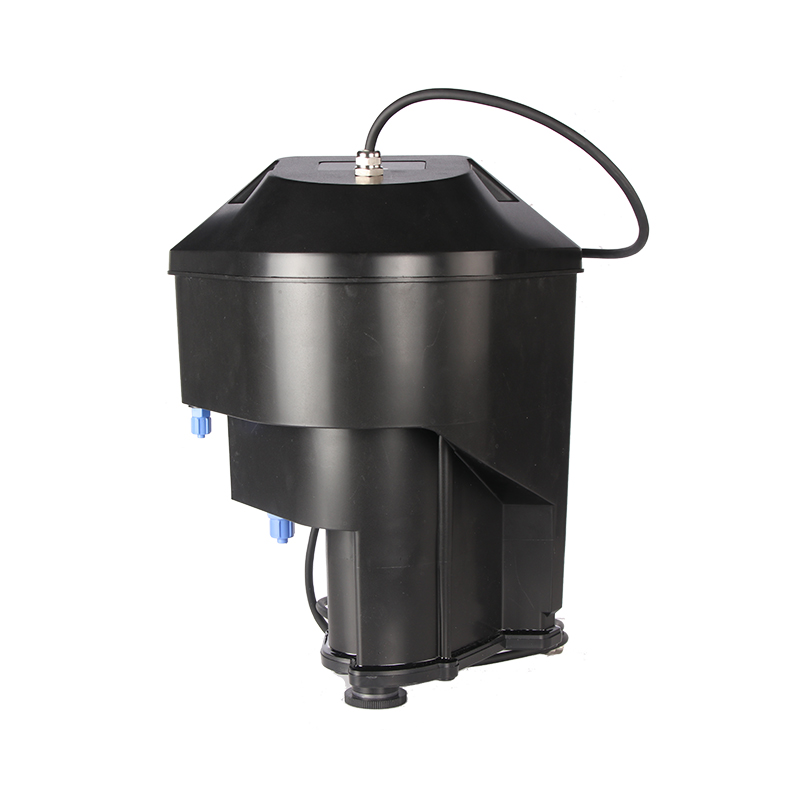
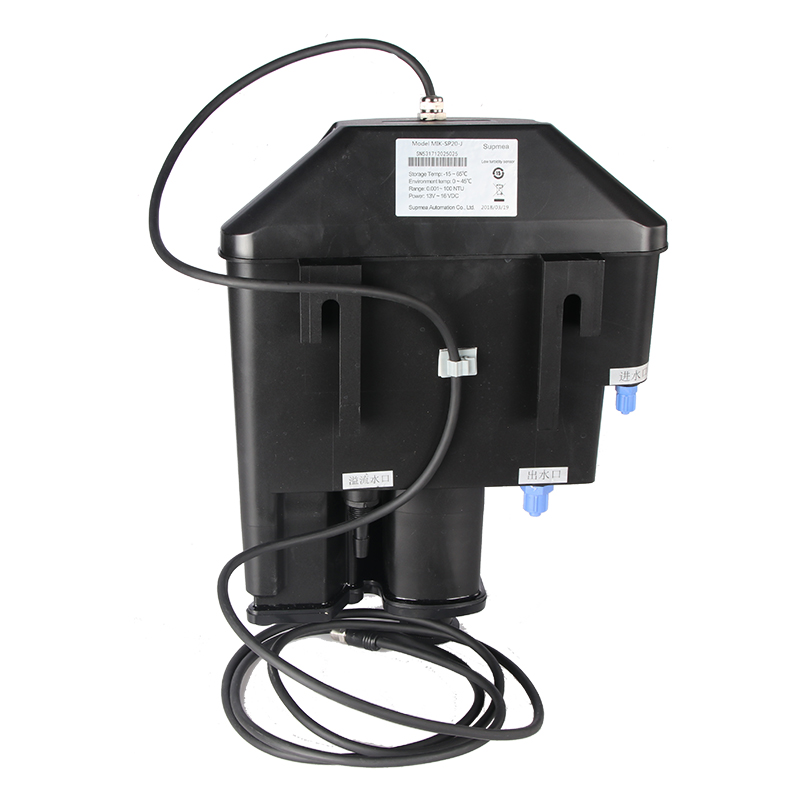
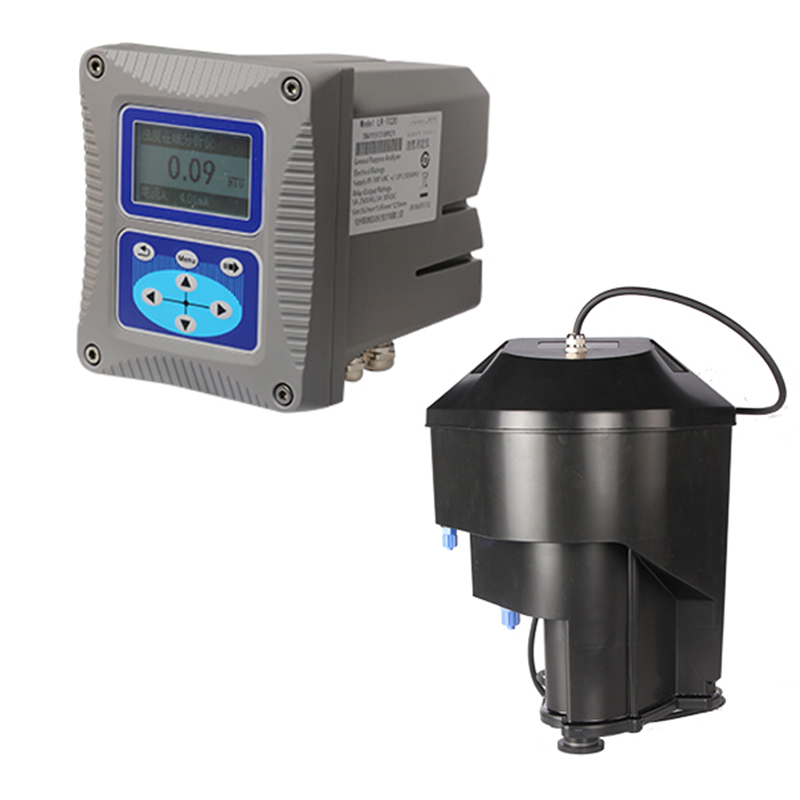
Introduction
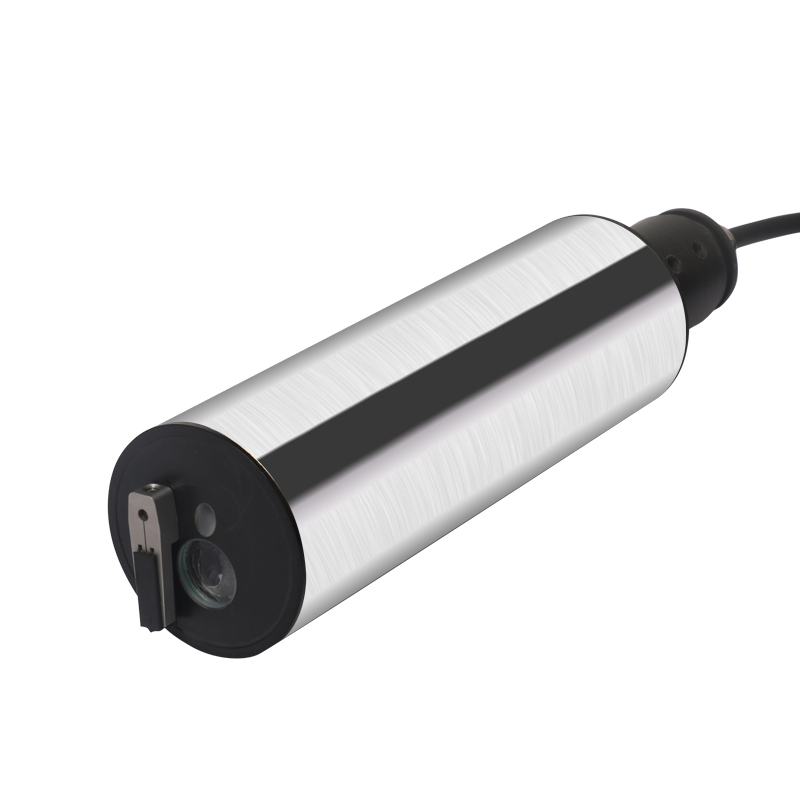
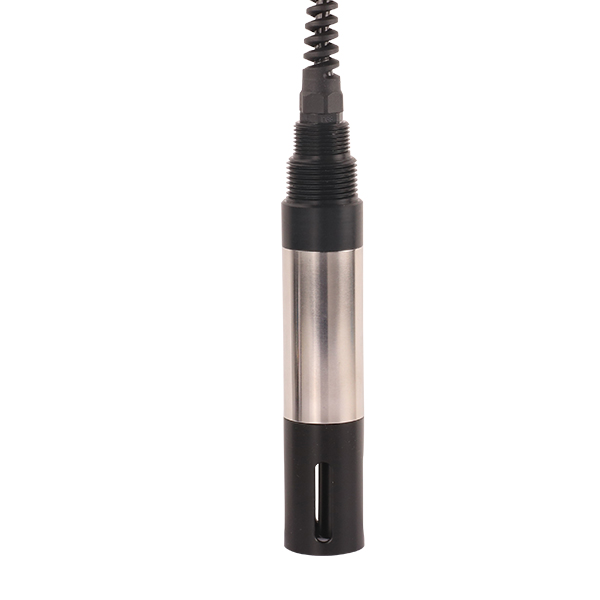
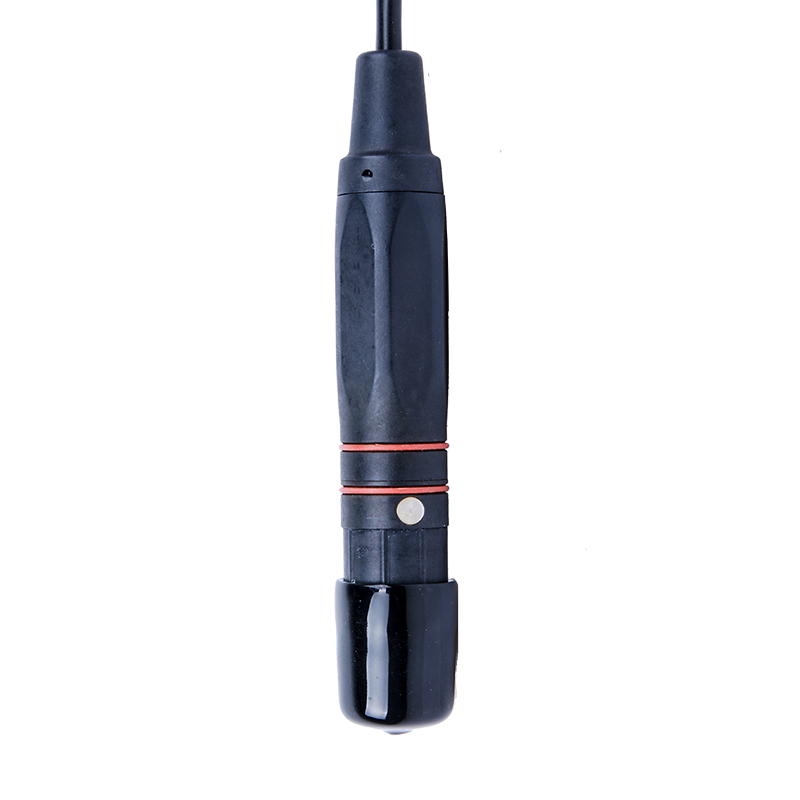
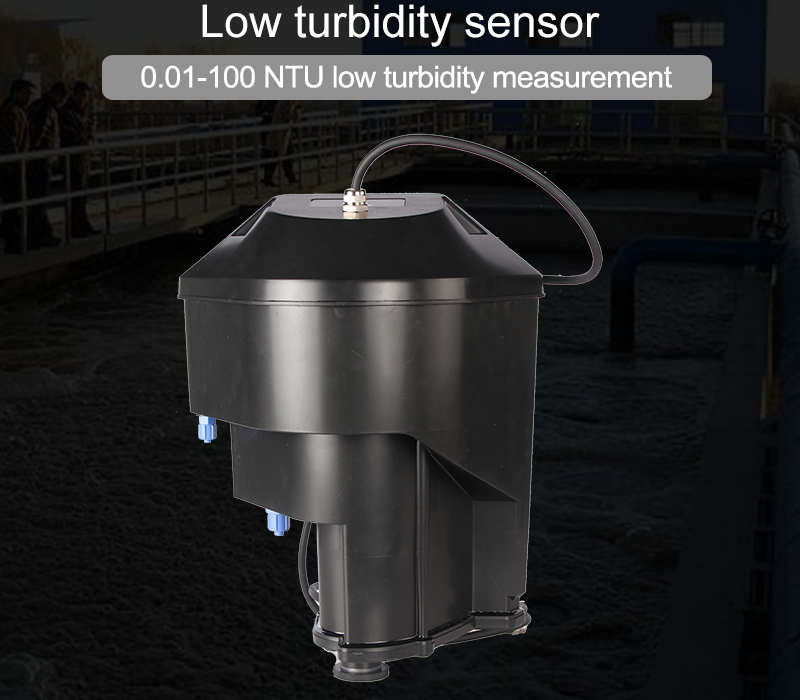
The PTU8011 turbidity sensor employs a light scattering measurement method to quantify low turbidity in aqueous solutions. Its optical design detects the amount of light dispersed by particles in the water, providing real-time data that reflects water clarity and particulate concentration. The sensor features robust construction with an IP68-rated housing and corrosion-resistant materials, making it suitable for extended use in industrial environments.
With continuous output capabilities and support for standard signal interfaces, the PTU8011 liquid turbidity measuring integrates easily into monitoring and control systems. It also includes built-in temperature compensation to ensure consistent performance under varying environmental conditions.
Whether installed in treatment plants, process lines, or environmental monitoring sites, this sensor provides reliable low turbidity measurement that supports operational decision-making and compliance with water quality standards.
Working theory
The measurement process of the PTU8011 Low Turbidity Sensor can be understood in the following steps:
Step 1: Optical Light Transmission
A stable light source emits a beam into the water sample. In clear or low-turbidity water, most light passes without obstruction.
Step 2: Particle Interaction and Scattering
Suspended particles within the water scatter the incoming light. The amount of light that is scattered at specific angles increases as particle concentration increases.
Step 3: Signal Detection and Conversion
Photodetectors positioned at defined angles capture the scattered light. The intensity of the detected scattered light is converted into an electrical signal, which is processed to determine turbidity values. Built-in temperature compensation adjusts the readings to maintain accuracy across temperature variations.
Key features
To meet the requirements of precise water quality measurement, the sensor integrates the following key features:
- Low turbidity measurement range: Designed specifically for detecting small amounts of suspended particles in low-turbidity environments with a range of 0.01-100NTU.
- Light Scattering Optical Method: Uses an industry-standard approach to measure turbidity by quantifying light scattered by particles in the water.
- Continuous Real-Time Monitoring: Provides ongoing turbidity data for instant assessment and timely response.
- Durable Industrial Construction: Built with corrosion-resistant materials and an IP68-rated waterproof housing for reliable performance in demanding environments.
- Easy System Integration: Compatible with common turbidity controllers and monitoring platforms, supporting standard signal outputs for seamless data transmission.
- Temperature Compensation: Automatically adjusts measurements based on temperature changes to ensure consistent accuracy.
- Low Maintenance Design: Sensor construction minimizes fouling, and the optical components are designed for easy cleaning and long service life.
Specification
| Product | Turbidity Sensor |
| Measure Range | 0.01-100NTU |
| Measurement Accuracy | Within the turbidity range of 0.001 to 40 NTU, the measurement deviation is ±2% of the reading or ±0.015 NTU, whichever is greater. For turbidity levels between 40 and 100 NTU, the deviation is ±5% of the reading. |
| Flow Rate | 300ml/min≤X≤700ml/min |
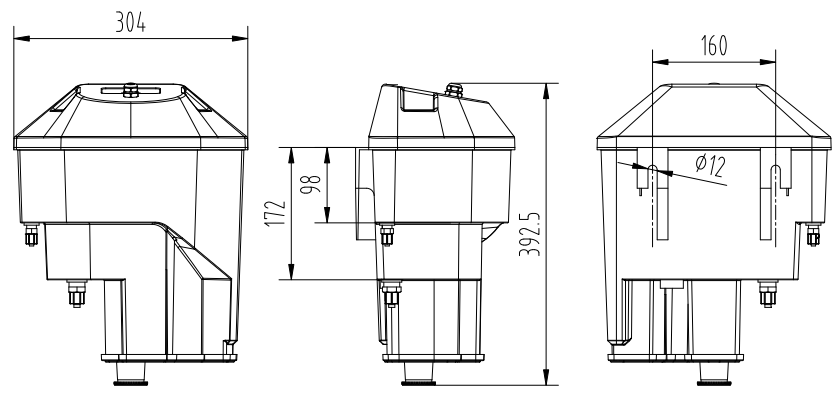
| Pipe Fitting | Injection Port: 1/4NPT; Discharge Outlet: 1/2NPT |
| Environment Temp | 0~45℃ |
| Calibration | Standard Solution Calibration, Water Sample Calibration, Zero Point Calibration |
| Cable Length | A three-meter standard cable, it is not recommended to extend |
| Main Body Material | ABS + SUS316 L |
| Sealing Element Material | Acrylonitrile Butadiene Rubber |
| Cable Material | PVC |
| Ingress protection | IP66 |
| Weight | 2.1 KG |
Applications
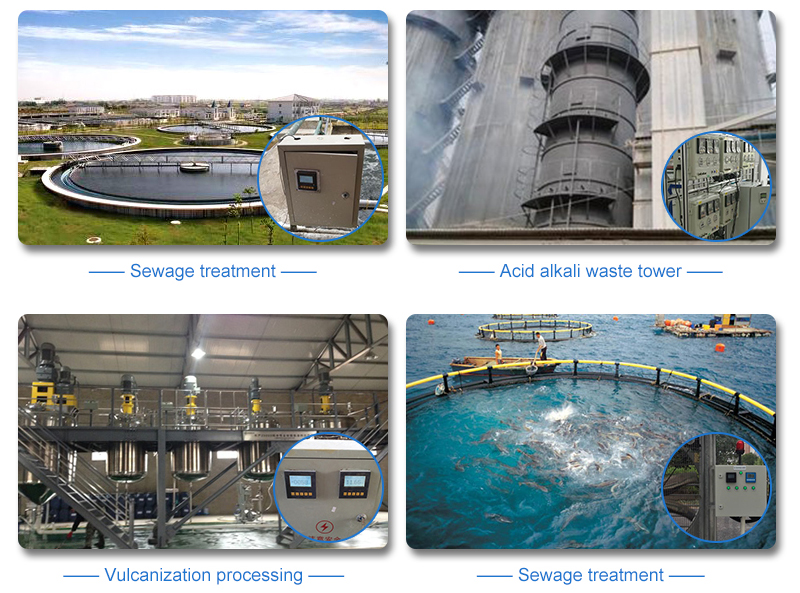
The PTU8011 Low Turbidity Sensor is suitable for a wide range of water quality monitoring and control applications, including:
- Drinking Water Treatment: Ensures clarity and compliance with potable water quality standards.
- Wastewater Treatment: Monitors effluent quality and treatment process efficiency.
- Surface Water Monitoring: Detects changes in rivers, lakes, and reservoirs where low turbidity indicates water quality trends.
- Industrial Process Water: Supports monitoring of cooling water, boiler feed water, and other process streams where clarity affects equipment performance.
- Environmental Compliance Reporting: Provides real-time data to support regulatory reporting and environmental protection efforts.