




Our pH6.0 pH Meter Has Been Applied to the Peru Sewage Treatment Plant
Industrial wastewater treatment demands precise monitoring and control to protect both environmental quality and operational efficiency. In Peru, a municipal sewage treatment facility has recently integrated the pH 6.0 pH meter into its process control system, addressing critical measurement challenges in biological treatment and chemical dosing operations. This successful deployment demonstrates how reliable pH instrumentation supports regulatory compliance while optimizing treatment performance in demanding wastewater applications.
Our pH Meter Has Been Used in the Peru Sewage Treatment Plant
Holding high requirements for accuracy and precision, a municipal sewage treatment plant in Peru selected a pH6.0 pH meter for installation at critical control points throughout their facility. The plant processes domestic wastewater through preliminary treatment, primary clarification, activated sludge biological treatment, and chemical disinfection before discharge to local waterways.
The pH6.0 pH measurement meters were strategically positioned to monitor influent characteristics, control chemical dosing in neutralization tanks, and verify biological reactor conditions. The plant’s operators particularly valued several features that addressed their specific operational challenges.
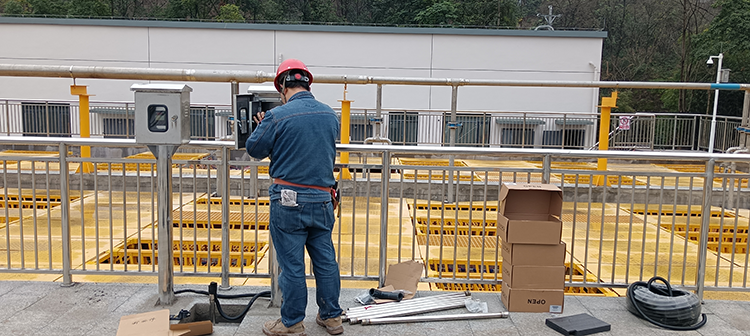
The prominent features that make the pH6.0 pH controller stand out
First of all, the pH meter‘s advanced electrode design incorporates a large-area reference junction and gel electrolyte system that resists fouling from suspended solids and organic matter common in sewage streams. This construction extends maintenance intervals and reduces the sensor cleaning frequency that had plagued their previous instrumentation.
Then, automatic temperature compensation ensures accurate readings despite the significant seasonal temperature variations affecting their treatment processes.
In addition, the integration of this istrument straightforward. The pH6.0′s multiple output options, like 4-20mA analog and RS-485 Modbus digital communication, allowed direct connection to the plant’s existing SCADA system without requiring protocol converters or signal conditioning equipment. Operators can now view real-time pH trends from the central control room and receive immediate alarms if readings drift outside acceptable ranges.
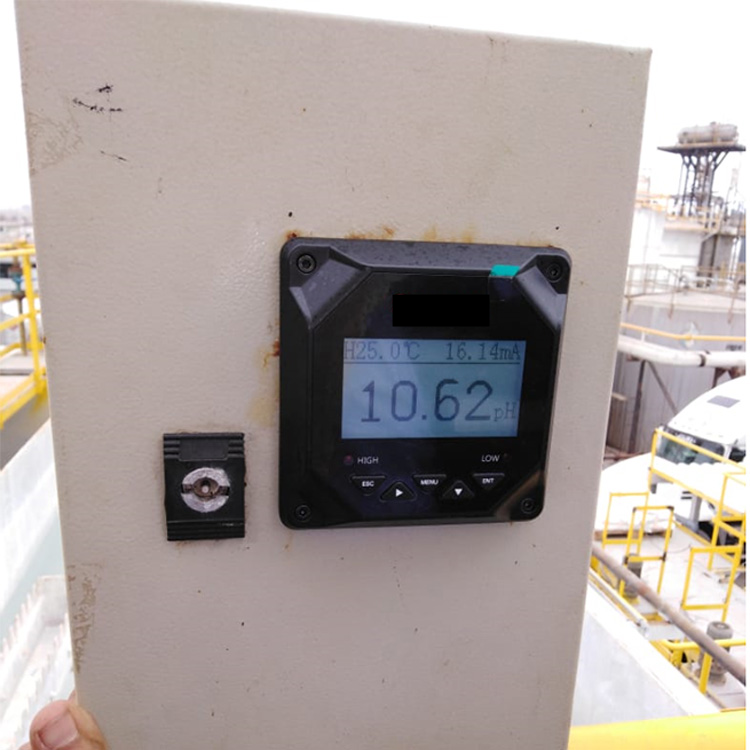
The accurate and seamless pH performance in the Preu sewage treatment
Since installation, the plant in Peru has documented measurable improvements in operational performance. Chemical consumption for pH adjustment decreased by approximately 15% due to more precise dosing control based on accurate real-time data rather than periodic grab samples.
The biological treatment process exhibits greater stability, with fewer pH-related upset incidents and more consistent effluent quality. Compliance monitoring has become less stressful since the continuous pH recording provides comprehensive documentation for regulatory reporting, and the plant has maintained 100% compliance with discharge permit limits throughout the monitoring period.
Maintenance requirements have also declined, according to the process plant’s feedback. The electrode’s fouling-resistant design requires only bi-weekly cleaning compared to the weekly maintenance their previous meters demanded. Calibration verification tests consistently show minimal drift, boosting operators’ work performance and efficiency in the data quality between calibration intervals.

The Importance of pH Value in Industrial Processes
pH plays a fundamental role across virtually every industrial sector, from hydroponics, chemical manufacturing, and food processing to pharmaceuticals and metal finishing. The hydrogen ion concentration directly influences chemical reaction rates, microbial activity, corrosion behavior, and product quality.
In wastewater treatment specifically, pH affects multiple critical processes: biological treatment systems require narrow pH ranges (typically 6.5-8.5) for microbial populations to efficiently break down organic matter, while chemical precipitation, coagulation, and disinfection processes each have optimal pH windows that determine treatment effectiveness. Deviations outside these ranges can cause system upsets, incomplete pollutant removal, equipment damage, and regulatory violations.
Beyond treatment operations, discharge pH must meet strict environmental standards. As acknowledged, most jurisdictions require effluent pH between 6.0 and 9.0 to protect receiving waters and aquatic ecosystems. Consequently, continuous pH monitoring serves as both a process control tool and a compliance safeguard throughout the treatment chain.
The Importance of Accurate pH Measurement in Industry
While pH monitoring is universally recognized as essential, achieving truly accurate measurement in industrial environments presents significant technical challenges. Process streams often contain suspended solids, oils, surfactants, and other contaminants that coat electrode surfaces and degrade sensor performance.
Temperature fluctuations, pressure variations, and chemical interferences can introduce measurement errors if not properly compensated. In wastewater processes these challenges intensify, including activated sludge, grease, fiber accumulation, and occasional toxic shock loads that test the limits of instrumentation reliability.
Inaccurate pH measurement carries substantial consequences: overdosing neutralization chemicals wastes resources and may create secondary treatment problems, while underdosing fails to achieve treatment objectives and risks permit violations.
Biological treatment processes are particularly sensitive; even brief pH excursions can stress or kill beneficial microbial populations, requiring days or weeks for recovery. From an operational perspective, unreliable pH data forces operators to increase manual testing frequency, implement conservative chemical feed rates with higher safety margins, and respond reactively to process upsets rather than preventing them.
These factors underscore why industrial facilities increasingly prioritize pH instrumentation that combines measurement accuracy with robust construction, minimal maintenance requirements, and reliable performance across varying process conditions. The goal extends beyond simply meeting specification sheets, considering that operators need instruments to deliver consistent, trustworthy data year after year in real-world conditions.
Conclusion
The successful application of a pH6.0 pH meter at this Peruvian sewage treatment plant illustrates how selecting appropriate instrumentation delivers benefits extending well beyond basic measurement capability. Reliable pH data has become the foundation for improved process control, reduced operating costs, enhanced regulatory compliance, and decreased maintenance burden.
For wastewater facilities worldwide facing similar challenges, whether dealing with variable influent characteristics, stringent discharge limits, or constrained maintenance resources, this case demonstrates the practical value of investing in pH instrumentation specifically engineered for demanding industrial applications. Accurate pH measurement isn’t merely a monitoring requirement; it’s an operational asset that enables facilities to run more efficiently, sustainably, and reliably.
As environmental regulations continue tightening and operators seek greater process optimization, the role of dependable analytical instrumentation will only increase in importance. We remain committed to developing pH measurement solutions that meet these evolving industry needs with the accuracy, durability, and ease of use that real-world applications demand.
Post time: Jan-06-2026