




How to Maintain pH Level for Hydroponics?
Hydroponics is an innovative method of growing plants without soil, where the plant’s roots are submerged in a nutrient-rich water solution. One crucial factor that affects the success of hydroponic cultivation is maintaining the pH level of the nutrient solution.
In this comprehensive guide, we will walk you through various strategies to maintain an ideal pH level in hydroponics, promoting healthy plant growth and expected results.
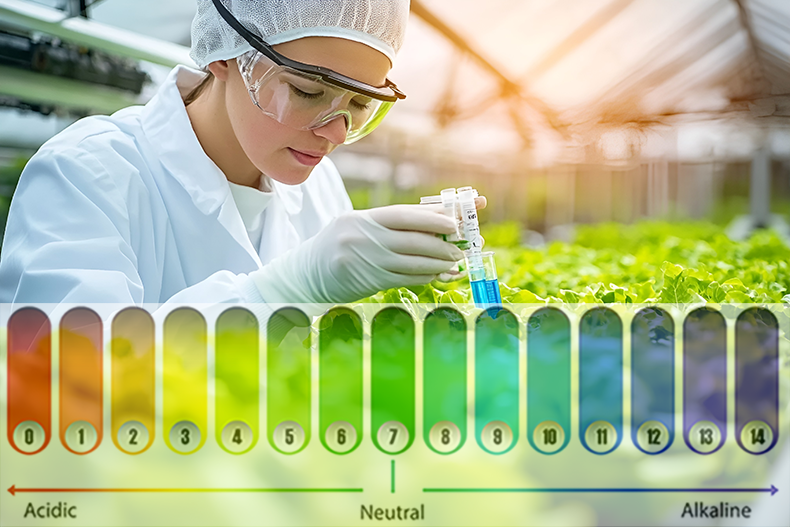
Table of Contents:
2. How to maintain the pH level in hydroponics?
3. What’s the relationship between pH and temperature?
4. Troubleshoot common hydroponics pH issues
5. FAQs
What is the pH value?
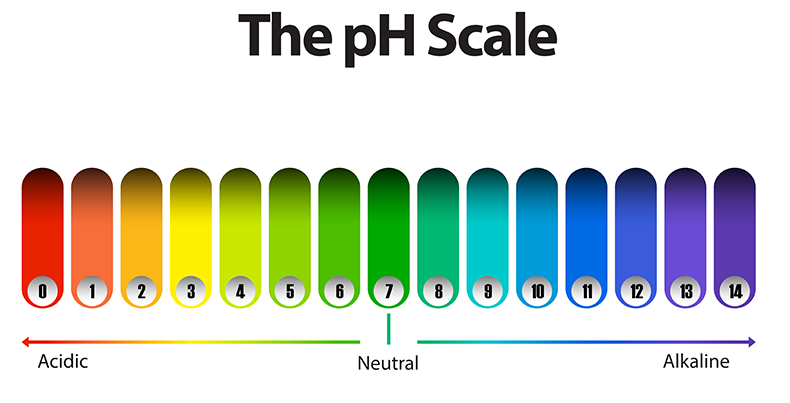
Before delving into how to maintain the pH level in hydroponics, let’s first grasp the basics of the pH value. The pH value ranges from 0 to 14, with a neutral value of 7. Values below 7 are acidic, while values above 7 are alkaline.
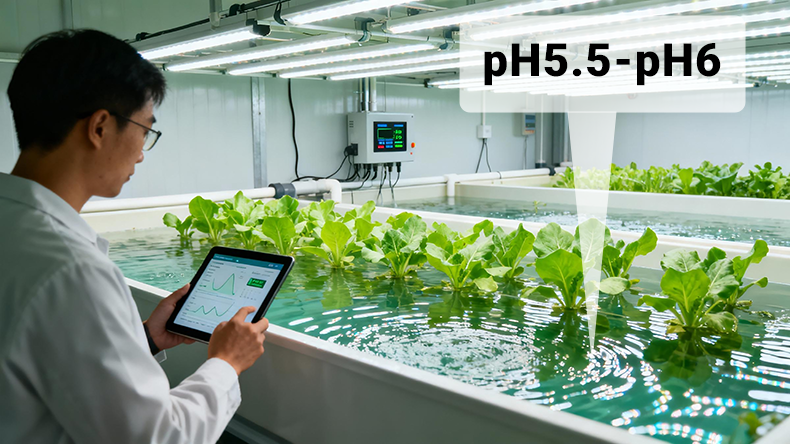
For hydroponics, the optimal pH range typically falls between 5.5 and 6.5, because this slightly acidic environment facilitates nutrient uptake and prevents nutrient deficiencies or toxicities.
If, however, the pH strays too far from the optimal range, essential nutrients can become locked in the growing medium, making them unavailable to the plants. This improper growing environment can result in stunted growth and nutrient deficiencies, affecting the overall health of your plants.
How to maintain the pH level in hydroponics?
Since a suitable pH value matters in the hydroponics system, the core principle lay on the maintenance methods. Below are some common tips for you to ensure the pH value does not go too far, which are simple and easy to carry out, even if you’re a beginner to the mechanics-seemed hydroponics.
Tip 1: Test pH regularly
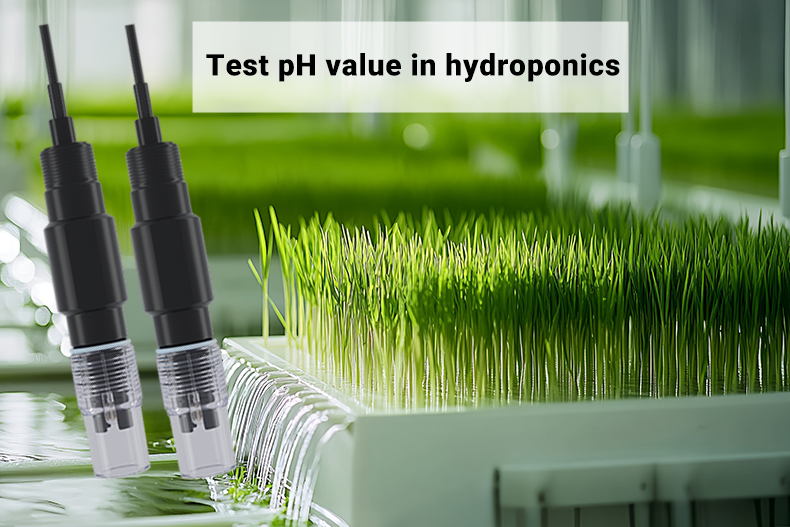
Regular pH measuring is indispensable in keeping it within the given value range, where an immediate response can be made once the level is beyond that range. All you need to complete is to fetch a pH meter or pH test strip and put it into the nutrient solution, then wait for the pH value reading.
The PH5019 plastic pH sensor is a reliable option for hydroponic growers, especially where simple and continuous pH monitoring is needed. Designed for water-based nutrient solutions, it works well within the ideal hydroponic pH range and helps keep nutrients available to plants.
Its durable plastic body is safer than a glass pH measuring device; on top of that, it can resist damage from frequent handling or nutrient salts. When connected to a pH controller or transmitter, this sensor supports real-time pH control in hydroponic systems.
In larger hydroponic systems or systems with multiple plants, the pH level can vary across the root zones. In this case, you can install individual nutrient reservoirs for each plant for more accurate pH readings.
For healthy plant growth and a balanced hydroponics system, you’re recommended to test the pH daily or, at the very least, every other day.
Tip 2: Adjust pH levels
When you measure the pH level and find it outside the normal range, a pH adjustment is required. Based on the pH value reading, you can raise or lower the level tailored to your situation.
How to raise the pH Level?
The moment the pH meter reads a value lower than expected in the targeted solution, you can add some pH increasers to make it more alkaline, for example, the potassium hydroxide.
Then, mix the pH increaser with the solution and retest the pH until it reaches the desired pH level.
How to lower the pH level?
If you find there are too many alkaline factors in the nutrient solution, then it’s time to lower the pH level.
Add an acidic element, such as phosphoric acid, into the solution, monitor the pH level, and repeat the increasing or decreasing action until the solution’s pH level returns to the normal range.
Tip 3: Use pH stabilizers
If you find yourself constantly adjusting the pH level up or down, using pH stabilizers can be a practical solution. These products are designed to help maintain a stable pH range in your hydroponic system by buffering sudden changes caused by nutrient uptake, water quality, or environmental factors.
By keeping the pH more consistent, pH stabilizers reduce the need for frequent testing and manual corrections of the pH value, helping plants absorb nutrients more efficiently and making system maintenance easier and more reliable over time.
What’s the relationship between pH and temperature?
In hydroponic systems, pH and temperature are closely linked, and understanding this relationship is essential for effective hydroponic pH control.
With the increasing of nutrient solutions’ temperature, water molecules become more active. It changes the hydrogen ion activity and often decreases the measured pH value even in the unchanged nutrient composition, which is a clear demonstration that temperature does affect the pH level in hydroponics.
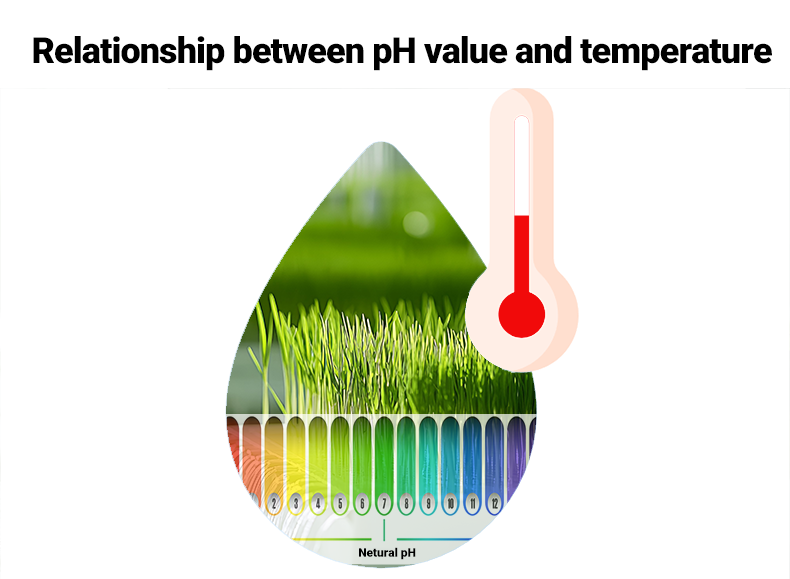
For hydroponic growers, this relationship is important because nutrient absorption is highly sensitive to pH levels. A pH value that drifts outside the optimal range can reduce nutrient availability and affect plant growth. Temperature changes in reservoirs, pipes, or grow rooms can therefore influence pH readings and lead to unnecessary adjustments if temperature is not considered.
To maintain a consistent nutrient solution pH, it is recommended to use pH meters or sensors with temperature compensation. These systems not only measure temperature alongside pH, but they also correct the reading to a standard reference point, helping growers make accurate adjustments.
By monitoring both pH and temperature, hydroponic systems can achieve more stable conditions, improve nutrient uptake, and support healthier plant development.
Troubleshoot common hydroponics pH issues
Even if you are familiar with the pH things in the hydroponics system, you might inevitably run into questions sometimes. Here we gather the common issues that happen most often and include effective methods to troubleshoot them straightforwardly!
Issue 1: How to solve pH fluctuations?
In hydroponics, pH can fluctuate due to various factors, such as nutrient uptake, water quality, temperature changes, evaporation, microbes, CO₂, and chemical adjustments.
Here, regular monitoring and sensors with temperature compensation help maintain a stable nutrient solution pH, ensuring healthy plant growth and optimal nutrient availability.
Issue 2: How to solve persistent pH drift?
Persistent pH drift in hydroponics is usually caused by high water alkalinity, unbalanced nutrients, plant uptake patterns, microbial growth, temperature variation, or frequent chemical corrections.
Trapped in the pH drift, you can use stable water sources or balanced hydroponic nutrients, gradually adjust the pH value, clean the hydroponics system, and make use of temperature-compensated sensors to maintain a stable nutrient solution pH for healthy plant growth.
Issue 3: How to solve pH lockout?
pH lockout in hydroponics occurs when the nutrient solution pH moves outside the optimal range, preventing plants from absorbing essential nutrients, even when those nutrients are present. This is commonly caused by persistent pH drift, poor water quality, unbalanced nutrients, temperature fluctuations, or excessive pH corrections.
Facing this, regular monitoring, proper water treatment, and gradual adjustments are recommended to help prevent nutrient lockout for healthy plant growth.
Issue 4: How to solve inconsistent pH across reservoirs?
Inconsistent pH across reservoirs in hydroponics is usually triggered by differences in water quality, nutrient mixing, temperature, evaporation rates, microbial activity, or uneven dosing of pH adjusters. Variations in plant uptake and system cleanliness are an additional trigger.
You can use a consistent water source, thoroughly mix the nutrients, keep the same temperatures, clean the reservoirs regularly, and monitor each reservoir with calibrated, temperature-compensated pH sensors to keep the pH level stable and proper.
FAQs
Q: How often should I test the pH level in my hydroponic system?
A: Aim to test the pH daily or, at the very least, every other day to ensure optimal plant growth.
Q: Can I use regular pH test strips from the store?
A: Yes, you can use pH test strips, but make sure they are specifically designed for hydroponic use for accurate readings.
Q: What pH level should I target for leafy greens?
A: Leafy greens prefer a slightly lower pH range, ideally around 5.5 to 6.0.
Q: How can I prevent pH drift in my hydroponic system?
A: Regularly check and adjust the pH level, use buffering agents, and maintain a clean and sanitized system.
Q: Is it necessary to adjust the pH every time I water the plants in a recirculating system?
A: Yes, since the pH can fluctuate during watering cycles in recirculating systems, it’s crucial to measure and adjust it each time.
Q: Can I use pH stabilizers instead of adjusting the pH manually?
A: Yes, pH stabilizers can help maintain a consistent pH level, reducing the need for constant manual adjustments.
Post time: Dec-16-2025