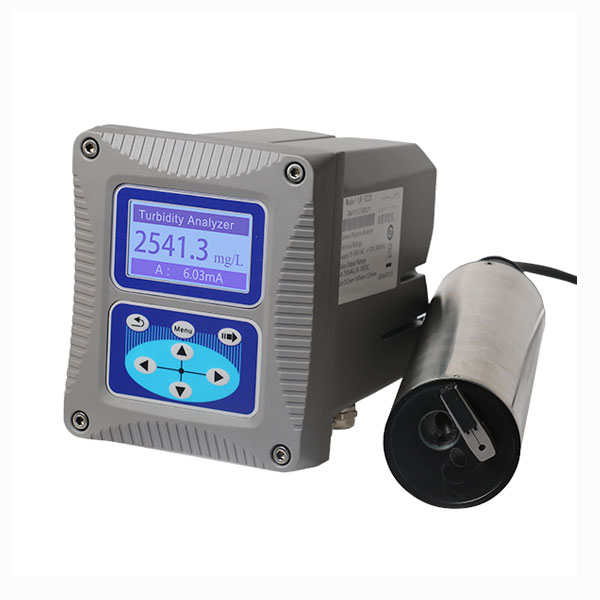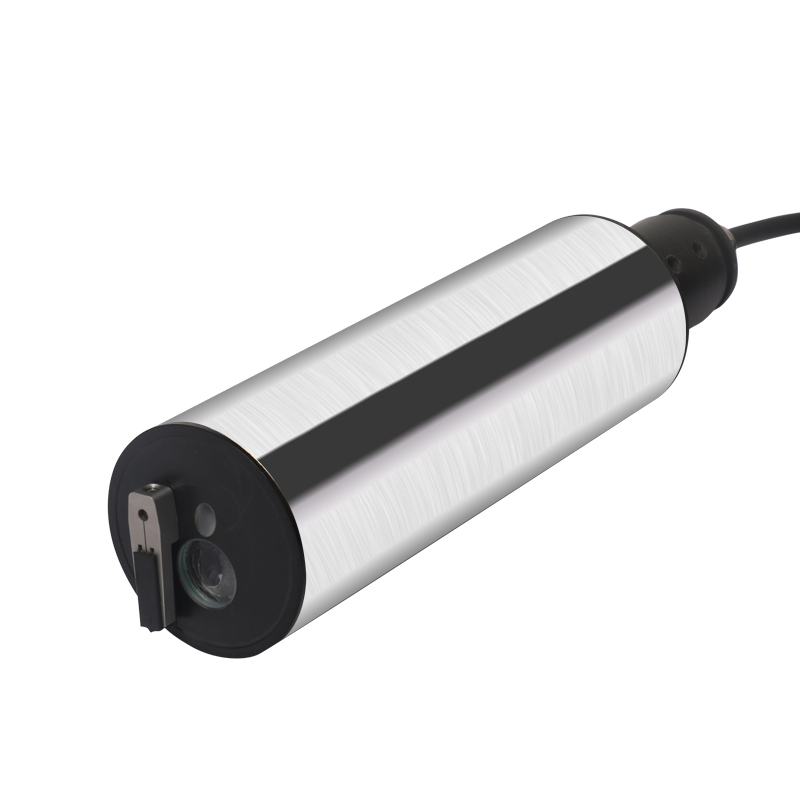

Digital RS485 Waterproof Precision Turbidity Sensor MLSS Probe China Factory
Introduction
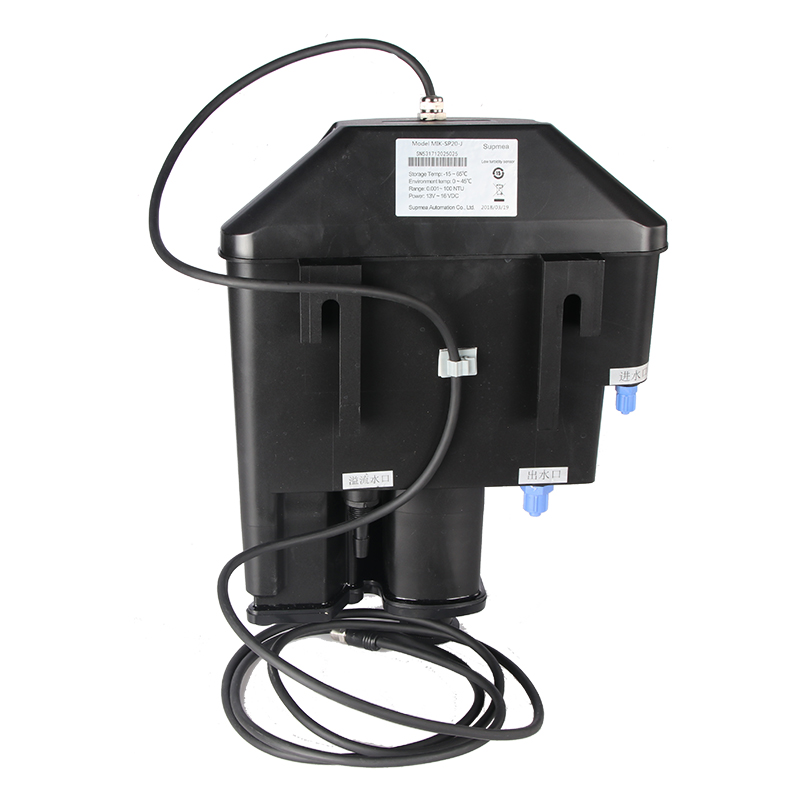
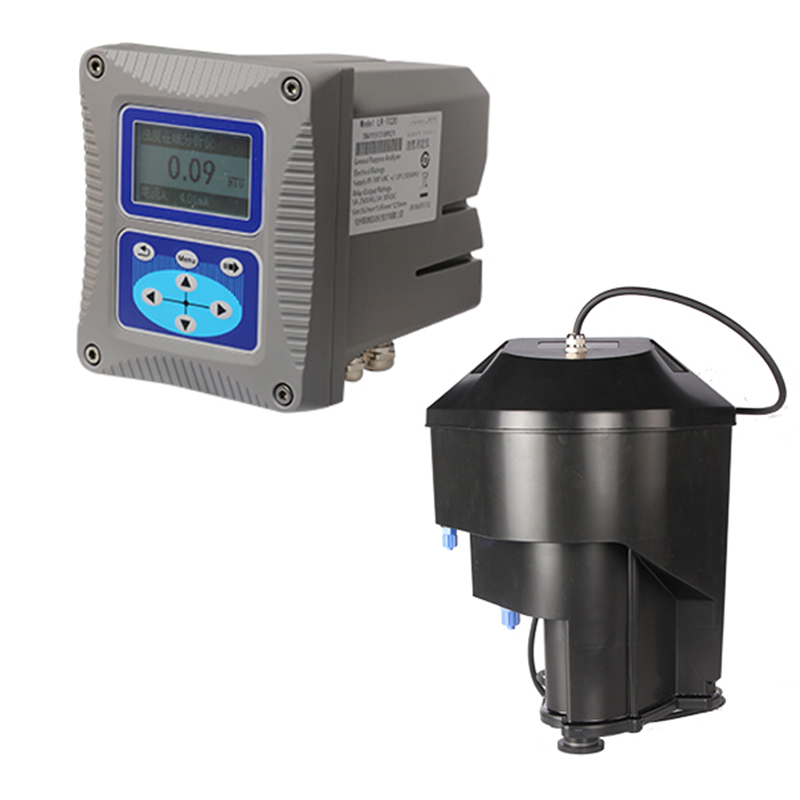
This turbidity sensor and MLSS probe combine advanced optical technology with digital data transmission to provide stable, real-time measurements of water clarity and solid content. With a waterproof housing and RS485 digital output (Modbus RTU), the device is well-suited for integration with SCADA, PLC, and DCS systems used in automated control and remote monitoring.
The probe is engineered to deliver consistent performance across a range of water conditions, minimizing signal drift and maintenance needs. Whether tracking drinking water turbidity, wastewater suspended solids, or industrial process clarity, this sensor supports continuous data streams that improve visibility into dynamic water quality trends and support proactive decision-making.
Working principle
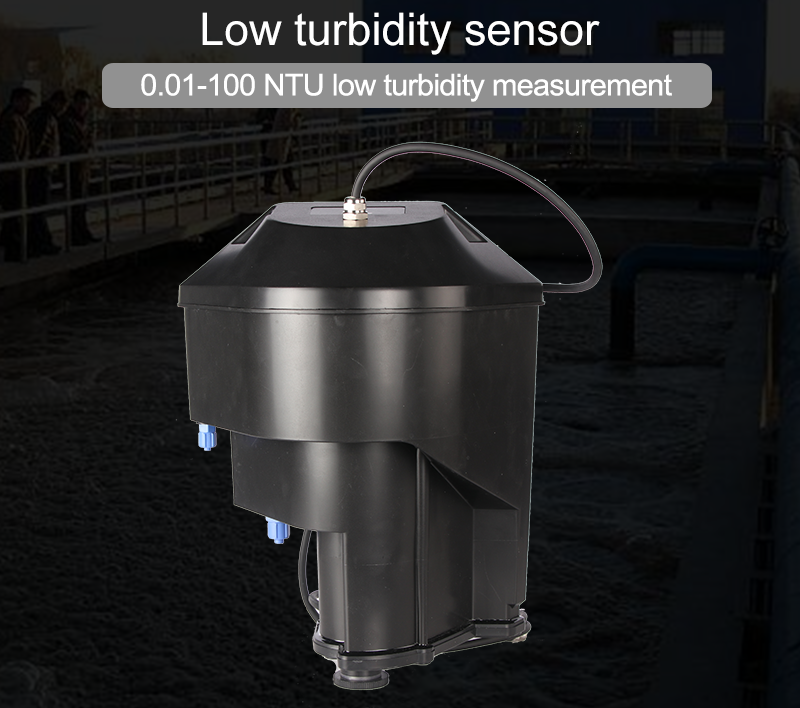
The Digital Turbidity Sensor and MLSS Probe operate on a precision optical scattering principle:
-
Light Emission: A built-in light source emits a stable beam toward the water sample.
-
Particle Interaction: Suspended particles within the water scatter the emitted light.
-
Optical Detection: Photodetectors measure the intensity of the scattered light at specific geometries.
-
Signal Conversion: Advanced onboard electronics convert the captured optical signal into a digital turbidity or MLSS value.
This optical method minimizes interference from sample color and external light, producing reliable measurements even in fluctuating process conditions. The RS485 digital interface enables rapid, noise-resistant data transfer to control systems for real-time analysis and response.
Key features
By enabling uninterrupted data flow to control systems, it empowers operators to catch anomalies early, optimize treatment parameters, reduce manual testing, and support compliance reporting efficiently with the following features:
- Precision Optical Turbidity Measurement: Delivers accurate turbidity and suspended solids readings based on advanced light scattering detection.
- Digital RS485 Communication (Modbus RTU): Supports industry-standard digital output for reliable integration with automation systems.
- Waterproof & Durable Design: Sealed construction prevents water ingress and protects internal components in wet or harsh environments.
- Low Maintenance Requirements: Optical sensing and waterproofing reduce the frequency of cleaning and calibration.
- Wide Measurement Range: Suitable for both low and high turbidity or solids concentration monitoring.
- Stable Long-Term Performance: Optimized signal processing reduces noise and improves data consistency over extended operation.
- Easy Integration: Compatible with PLC, SCADA, and DCS systems commonly used in industrial water monitoring and control.
Specification
| Product | Turbidity sensor |
| Measure range | 0.01-100NTU |
| Measurement Accuracy | Accuracy is ±2% or ±0.015 NTU (whichever is greater) from 0.001–40 NTU, and ±5% from 40–100 NTU |
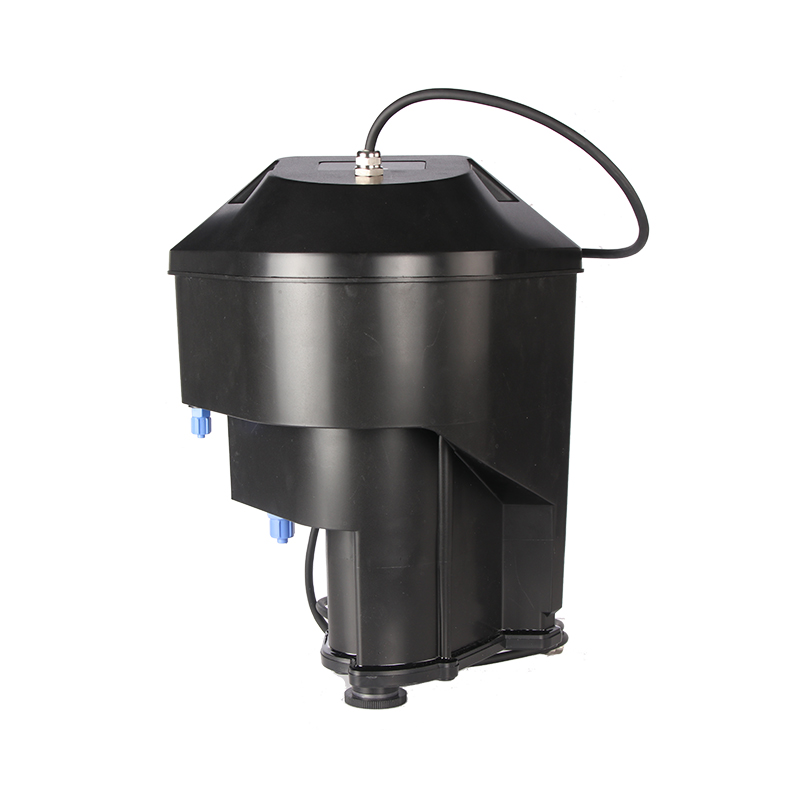
| Flow Rate | 300ml/min≤X≤700ml/min |
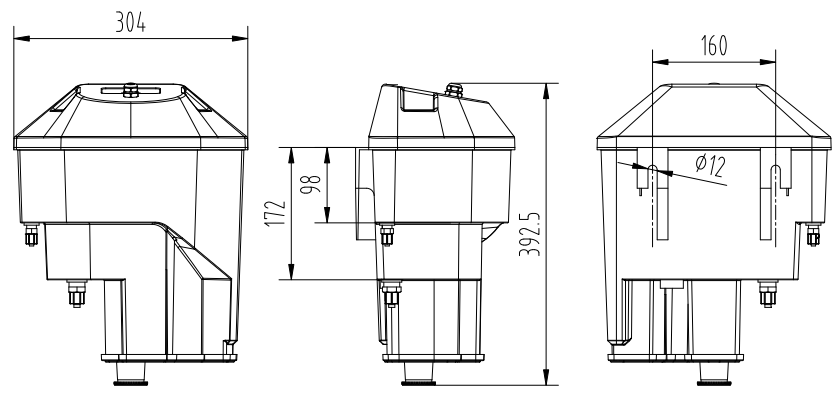
| Pipe Fitting | Injection Port: 1/4NPT; Discharge Outlet: 1/2NPT |
| Environment temp | 0~45℃ |
| Calibration | Standard Solution Calibration, Water Sample Calibration, Zero Point Calibration |
| Cable length | A three-meter standard cable, it is not recommended to extend |
| Main materials | Main Body: ABS + SUS316 L Sealing Element: Acrylonitrile Butadiene Rubber Cable: PVC |
| Ingress protection | IP66 |
| Weight | 2.1 KG |
Applications
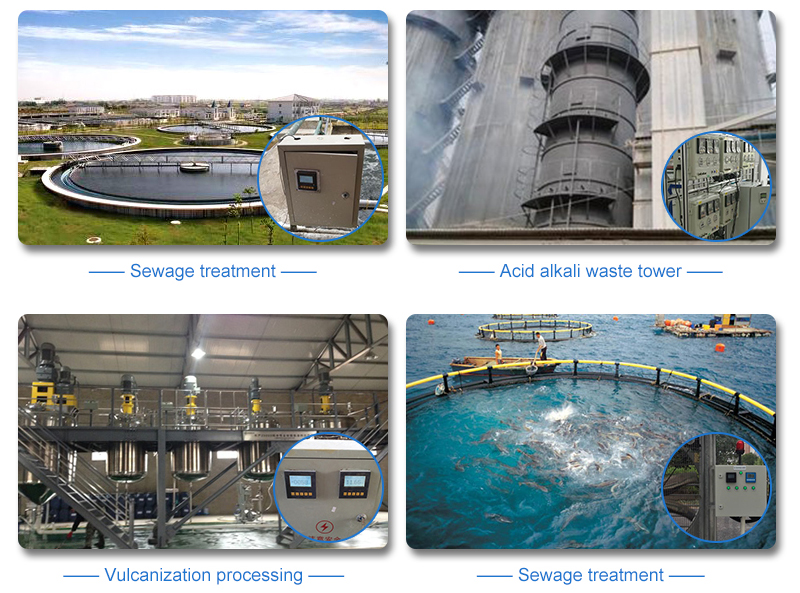
The Digital RS485 Waterproof Precision Turbidity Sensor & MLSS Probe delivers versatile performance across a broad set of real-world applications:
- Wastewater Treatment Plants: Online monitoring of total suspended solids (TSS) and mixed liquor suspended solids (MLSS) for biological process control.
- Drinking Water Systems: Continuous turbidity measurement to verify filtration performance and finished water quality.
- Industrial Effluent Monitoring: Real-time suspended solids tracking in discharge streams from chemical, food, and manufacturing facilities.
- Environmental Water Quality: Surface water monitoring in rivers, lakes, and reservoirs for ecological compliance and reporting.
- Process Water Control: Tracking turbidity in cooling water, process loops, and reuse systems to maintain operational stability and prevent equipment fouling.
- Remote and Automated Systems: Ideal for integration with digital control systems and remote monitoring architectures requiring stable, digital data.